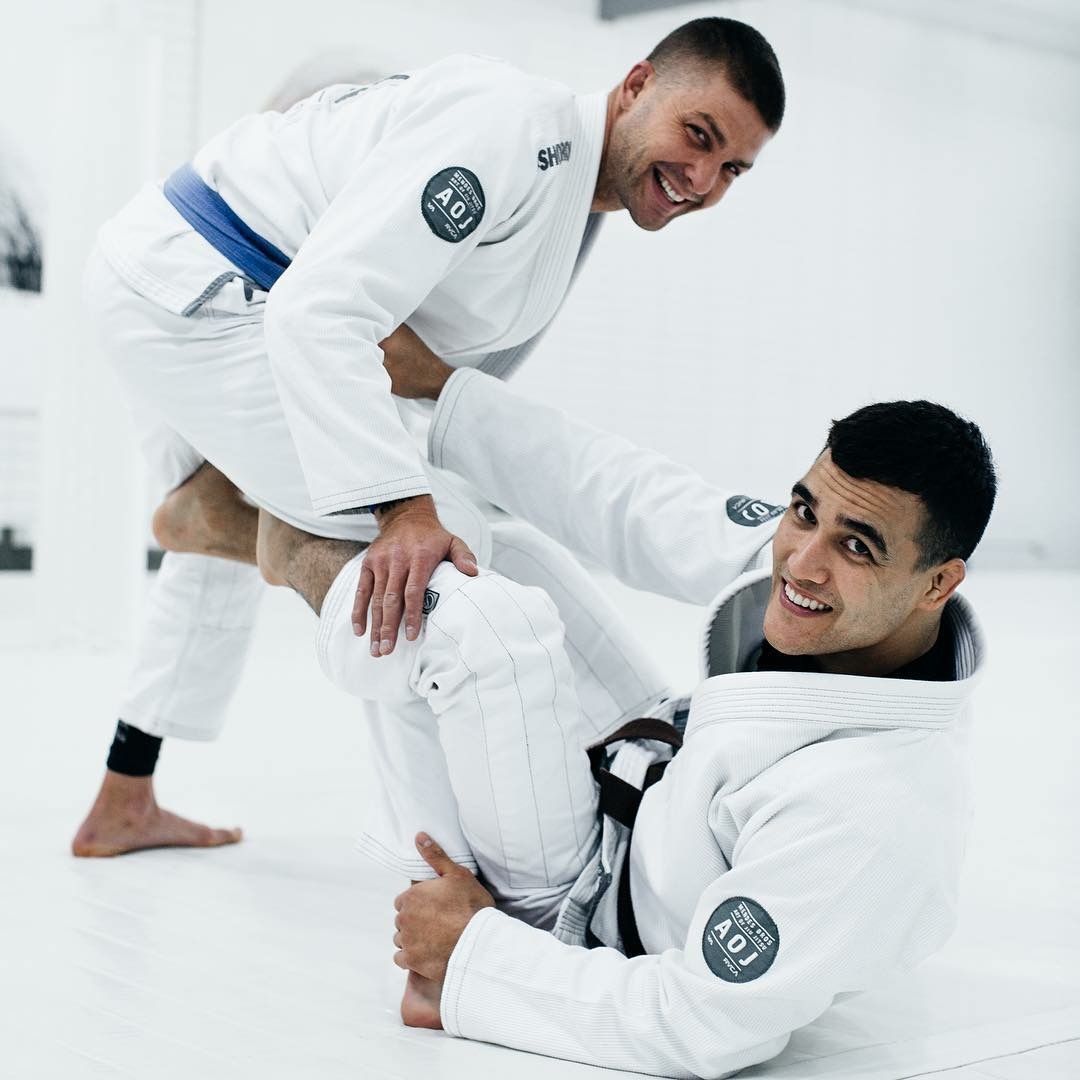
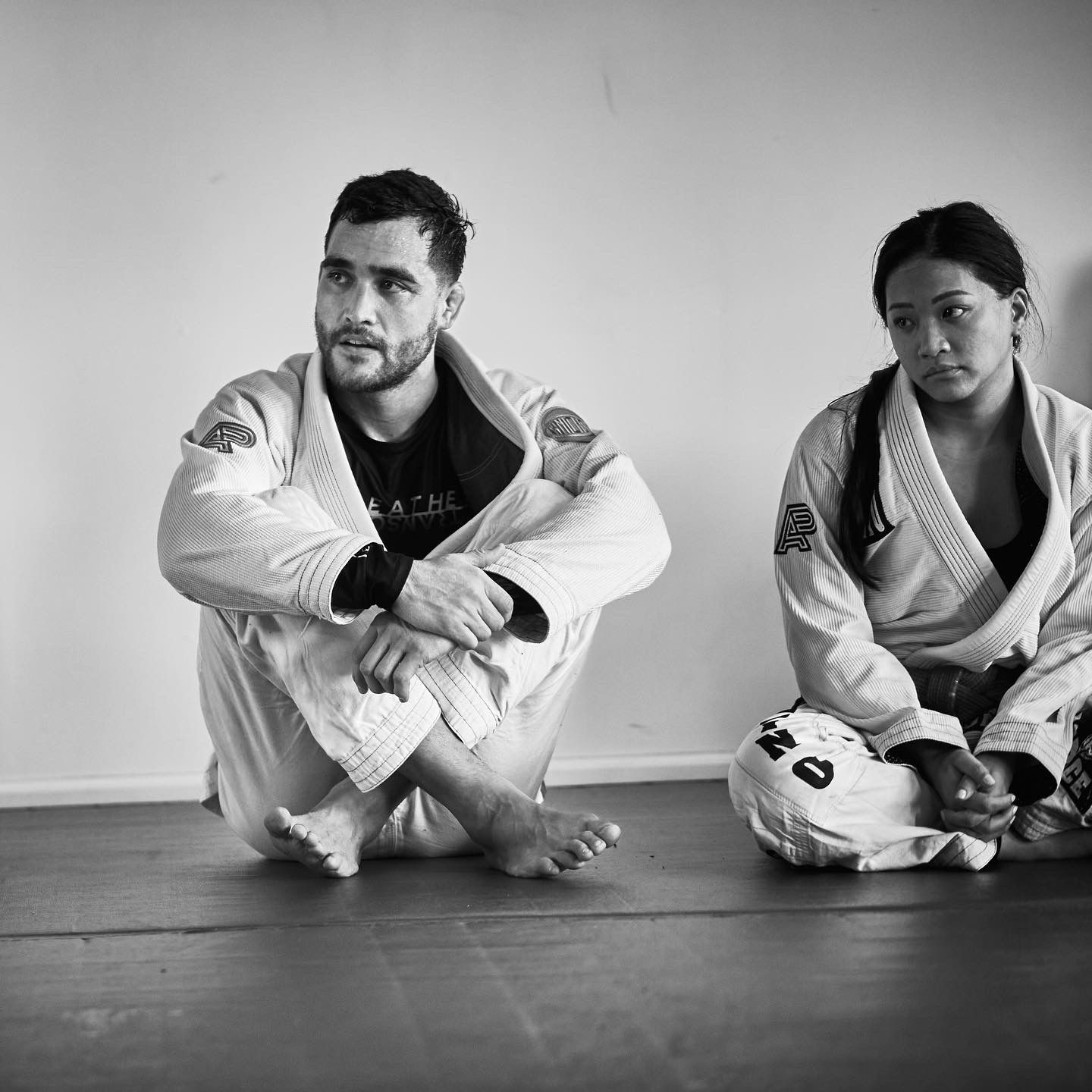
Jiu Jitsu turns “I feel clumsy” into calm, controlled movement you can actually trust.
If you have ever felt a little off-balance walking on uneven ground, awkward picking something up with a twist, or stiff after too much sitting, you are not alone. Balance and coordination are not just “athletic traits.” They are daily-life skills, and when they fade, everything feels harder than it should.
Our approach to Jiu Jitsu focuses on building those skills from the inside out. You learn how to connect your feet, hips, core, and hands into one coordinated system, not a bunch of separate parts. Over time, that creates body awareness you can feel in simple moments, like stepping off a curb smoothly or catching yourself before you stumble.
In Yaphank, NY, we also see a local need for training that improves movement without needing high-impact pounding. Brazilian Jiu Jitsu in Yaphank is a practical answer because it teaches control, timing, and positioning, not just intensity.
Why balance, coordination, and body awareness matter more than “getting in shape”
Fitness is helpful, but movement quality is what keeps you confident in your own body. Balance is your ability to stay stable while standing, stepping, or changing levels. Coordination is how well your limbs and torso work together under real-time demands. Body awareness, also called proprioception, is your internal sense of where your body is in space.
Jiu Jitsu trains all three at once because grappling is interactive and constantly changing. You are not repeating a machine path in a gym. You are adjusting your base, posture, and pressure based on what is happening second by second. That’s where the real improvement comes from.
Even if your goal is not competition, training this way tends to carry into everyday life: better posture at your desk, easier transitions from sitting to standing, smoother movement on stairs, and fewer “tweaks” when you turn the wrong way holding groceries.
How Jiu Jitsu builds balance through base, posture, and pressure
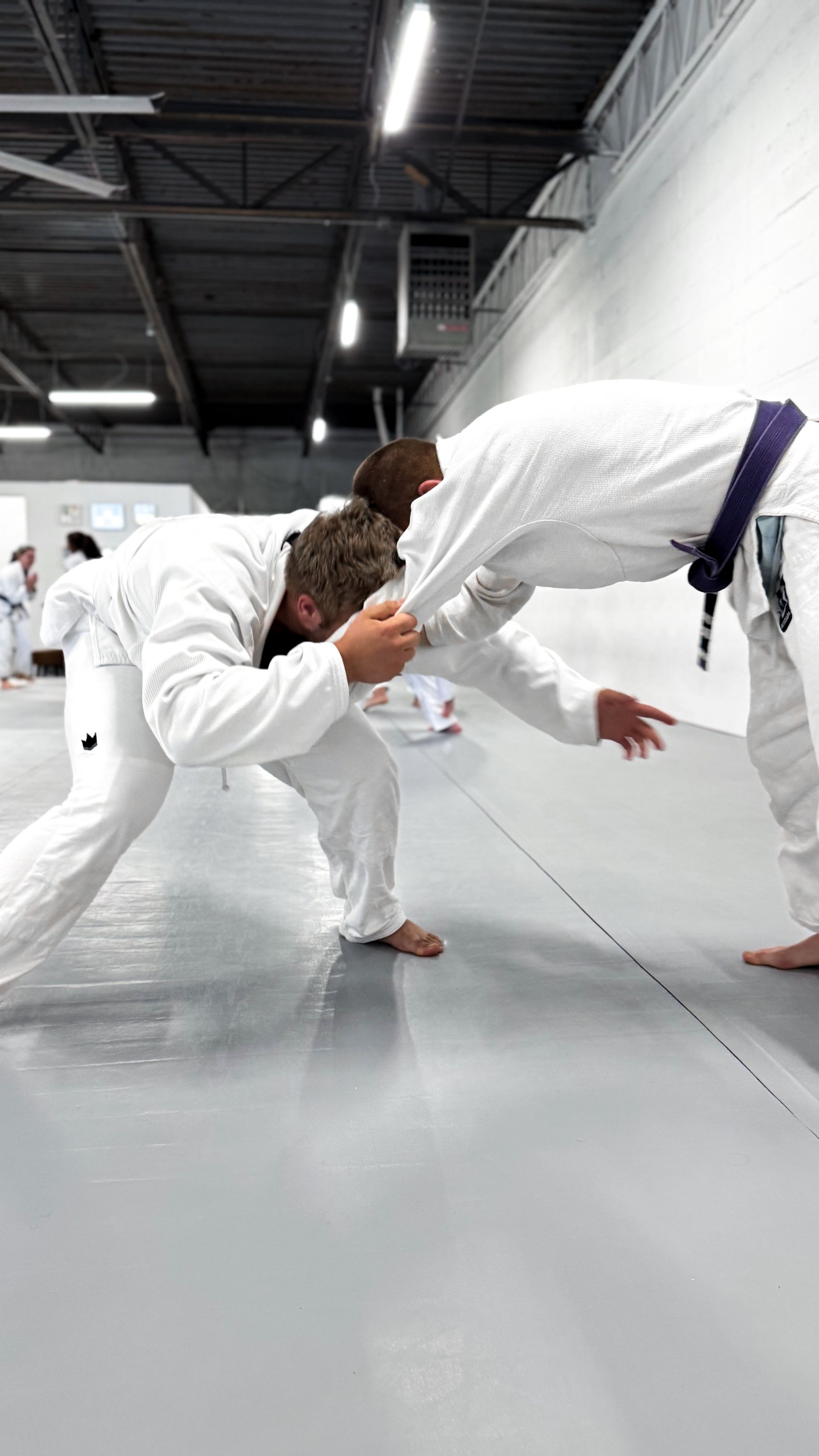
In Brazilian Jiu Jitsu in Yaphank, balance is not a vague concept. We talk about base, posture, and pressure constantly, because those are the levers that keep you stable.
Base: learning to stay stable in more than one stance
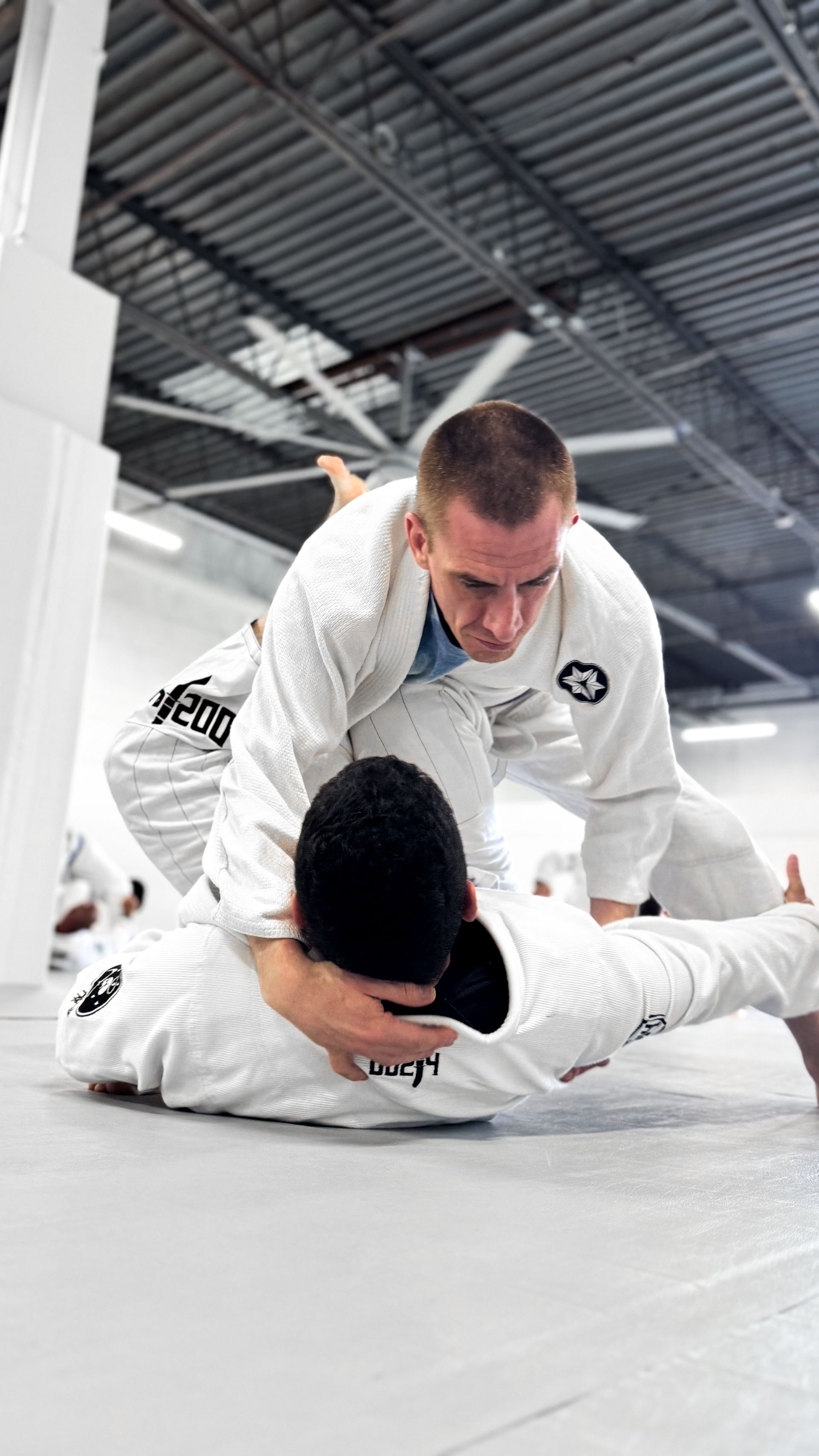
In class, we build balance in positions you do not practice elsewhere: kneeling, squatting, staggered stances, hip-heisted movement, and grounded posts with your hands. Your body learns to stabilize in unfamiliar angles, which is exactly what real life asks for when you slip, trip, or step weirdly.
Posture: using your skeleton, not just your muscles
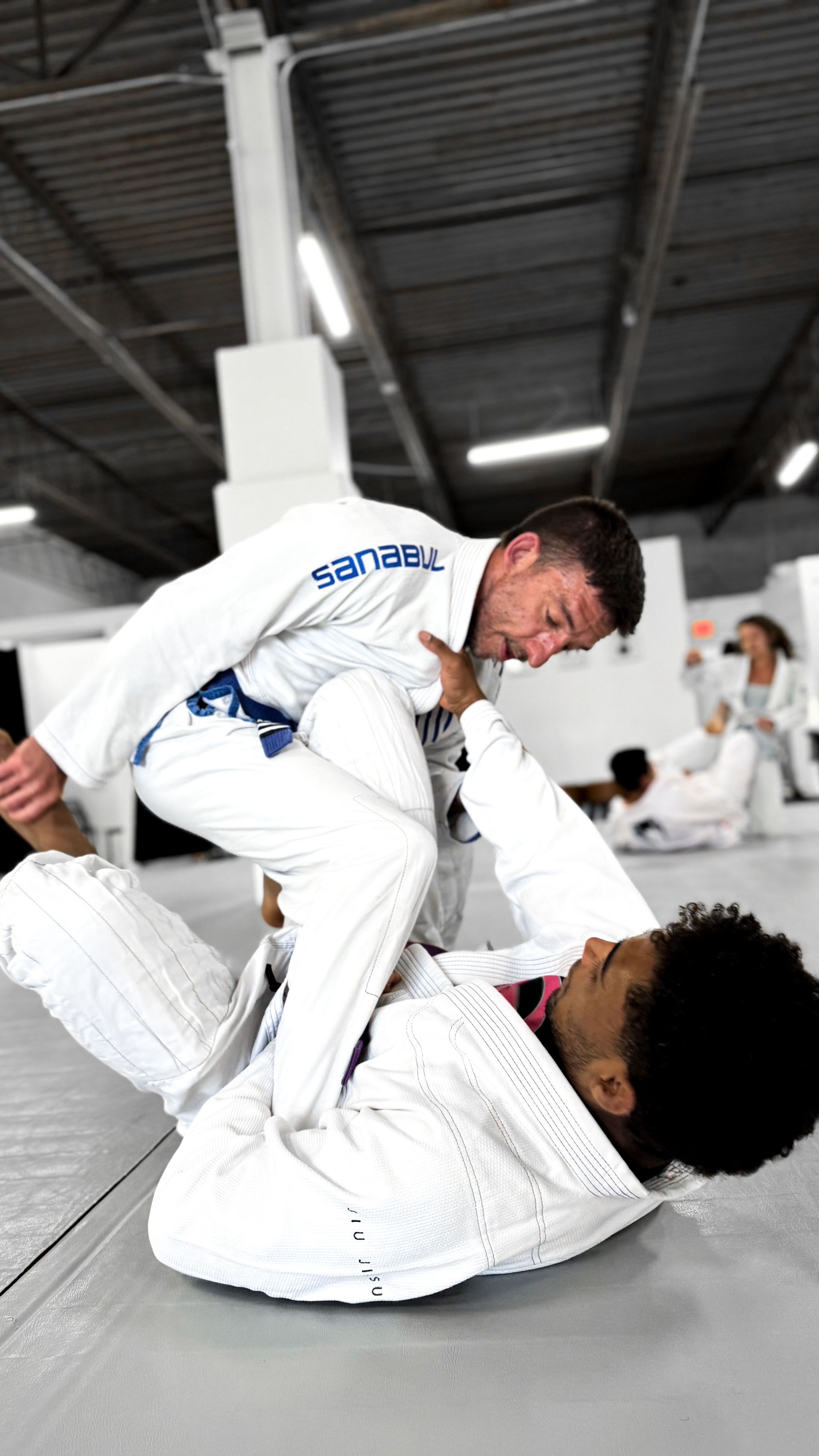
A big part of staying balanced is stacking your joints well. When your head, ribs, hips, and knees align, you can resist being moved with less strain. We coach posture in guard, top control, and transitions because posture is what lets your core do its job without your neck and lower back overworking.
Pressure: controlled weight transfer that sharpens stability
Pressure in Jiu Jitsu is not about being heavy. It is about distributing weight through the floor and into your partner with intention. As you learn to shift weight without collapsing or tipping, you develop stable hips and a stronger connection through the feet and knees. This is one reason many students notice improved confidence walking and moving within the first month or two of consistent training.
How coordination improves when techniques demand “whole body timing”
Coordination is not just hand-eye skill. In grappling, it is hip-hand timing, shoulder-hip connection, and the ability to move one part while stabilizing another. That is why Jiu Jitsu in Yaphank, NY can feel like learning a new physical language.
When you drill a technique, we are training your brain to organize movement patterns efficiently. For example, a simple escape teaches you to bridge, turn, frame with your arms, and recover your hips in sequence. It is not random effort. It is a timed chain, and that timing becomes more natural the more you practice.
In sparring, coordination gets even sharper because you must adapt. You learn to react without panicking, to reset your position, and to choose a better angle. That mental calm supports physical coordination, because tense movement is usually clumsy movement.
Body awareness: the hidden skill that makes everything else click
Body awareness is the quiet superpower behind balance and coordination. You can have strength and still feel awkward if your proprioception is undertrained. In Jiu Jitsu, you get constant feedback: where your weight is, where your hips are pointed, whether your spine is aligned, and how your breathing changes under pressure.
We teach you to notice small details that matter:
- Where your feet are posting when you change direction
- Whether your knees are collapsing inward or tracking strong
- When your shoulders are shrugged up (a stress signal) instead of relaxed
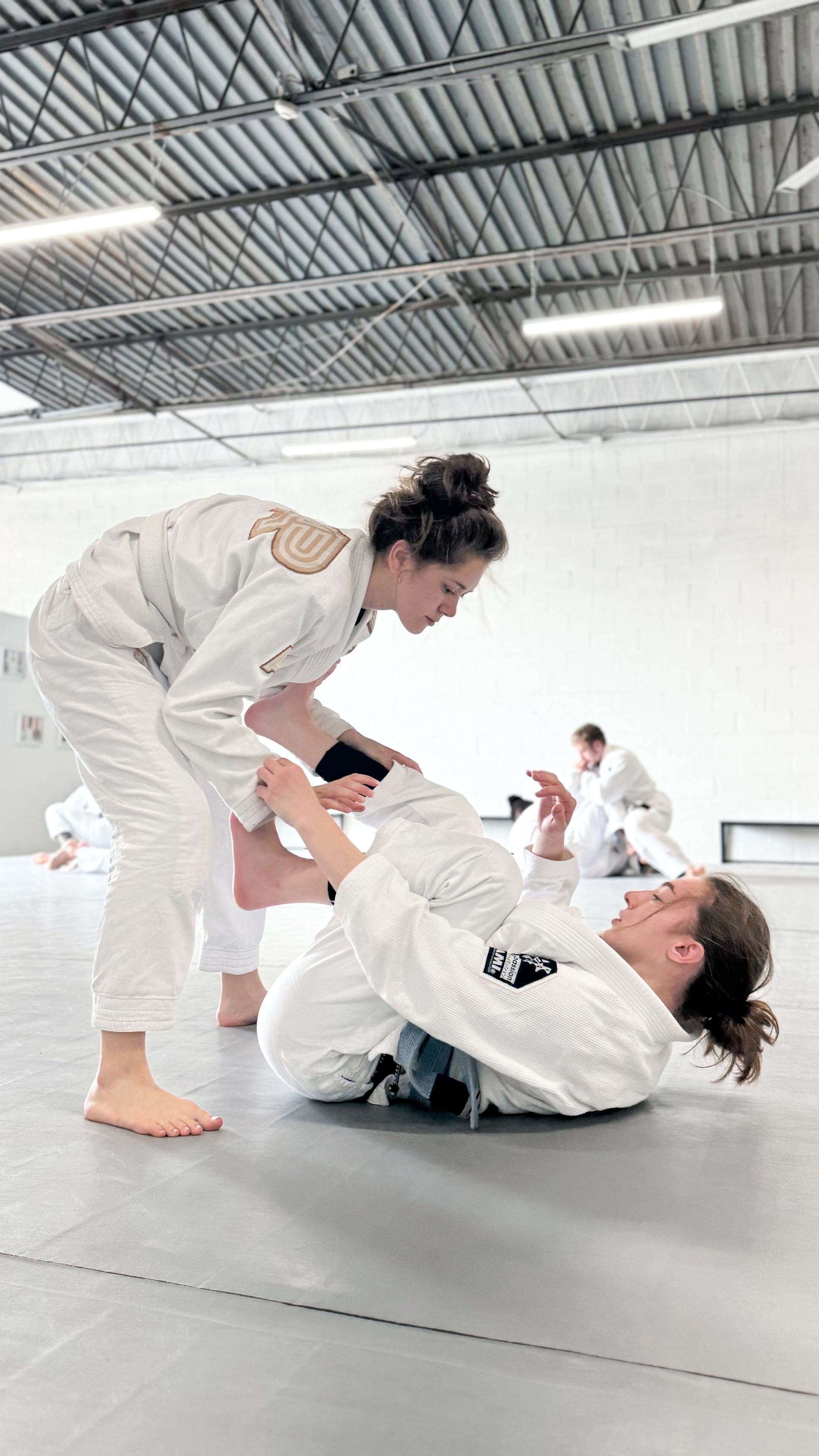
- How much space exists between your hips and the floor in guard
- When you are holding your breath instead of staying steady
This kind of awareness improves surprisingly fast because every round gives you information. Over time, you start making corrections mid-movement, not after the fact. That is when you feel more “at home” in your body.
What a typical class looks like and why it’s designed for movement quality
We keep classes structured so you can build skill without feeling thrown into chaos. A typical session includes warm-up patterns, technique instruction, drilling for repetition, and controlled sparring that matches your experience level.
Warm-ups that actually support better movement
Instead of random exhaustion, our warm-ups emphasize joint mobility, core stability, and foundational movement patterns used in Jiu Jitsu. Think hip escapes, technical stand-ups, controlled rolls, and posture work. These are not filler. They are coordination training in disguise.
Technique and drilling: where your nervous system learns
Drilling is where the balance and coordination gains compound. You repeat key mechanics until your body stops overthinking. That’s also where we coach details like foot placement, head position, and how to distribute weight.
Sparring: real-time awareness without reckless intensity
Sparring is where body awareness becomes practical. You learn to read pressure, stay calm, and solve problems physically. We keep it progressive so you can build confidence without feeling like you need to “win” every round.
How long it takes to notice changes in balance and coordination
Most beginners feel small improvements within a few weeks, especially if training is consistent. The biggest change is often not dramatic athleticism. It is fewer awkward moments. You move with less hesitation.
Here is a realistic timeline we see when you train regularly:
1. Weeks 1-2: You start understanding basic positions, and your warm-up movements feel less foreign.
2. Weeks 3-6: Balance improves in transitions like standing up, base changes, and maintaining posture under light pressure.
3. Weeks 6-12: Coordination shows up in smoother escapes, cleaner guard retention, and better timing during sparring.
4. Three months and beyond: Body awareness becomes automatic, and you start improving faster because you can self-correct.
If you can make it in 2 or more times per week, the progress stacks up. Consistency matters more than going all-out once in a while.
Why Brazilian Jiu Jitsu in Yaphank works for beginners, adults, and older students
One of the most practical parts of Jiu Jitsu is scalability. You can train with control, adjust intensity, and focus on technique rather than impact. That makes it a strong option for adults who want functional fitness and for older students who care about balance and fall prevention.
We keep fundamentals clear and repeatable, and we help you choose training partners and pace that fit your current ability. You do not need a certain fitness level to start. You build it through training, and you build it in a way that teaches your body to move well, not just to endure discomfort.
For families, Brazilian Jiu Jitsu in Yaphank also supports youth motor skills: coordination, spatial awareness, and controlled energy. Those are the building blocks for confidence in sports and in everyday movement.
Simple ways to reinforce body awareness between classes
You do not need fancy equipment to support what you learn on the mat. Small, consistent habits help your nervous system keep the pattern.
Try these between sessions:
- Practice technical stand-ups slowly, focusing on foot placement and balance
- Do a few hip escapes in a hallway, keeping your shoulders relaxed and breathing steady
- Add gentle hip and ankle mobility work to improve range and control
- Pay attention to posture when you sit and stand, stacking ribs over hips
- Take a calm walk and notice how your feet contact the ground step by step
These are small things, but they make your next class feel smoother. And smoother movement is the goal.
Take the Next Step
If you are looking for Jiu Jitsu in Yaphank, NY because you want better balance, sharper coordination, and real body awareness you can use outside the gym, we are ready to guide you. Our training is built around fundamentals, safe progression, and the kind of movement skill that shows up in everyday life, not just on the mat.
When you are ready,
Breathe Jiu Jitsu is here in Yaphank with a clear path from beginner basics to confident, controlled Brazilian Jiu Jitsu in Yaphank that keeps your body learning for the long run.
Continue your Jiu‑Jitsu journey beyond this article by joining a class at Breathe Jiu‑Jitsu.