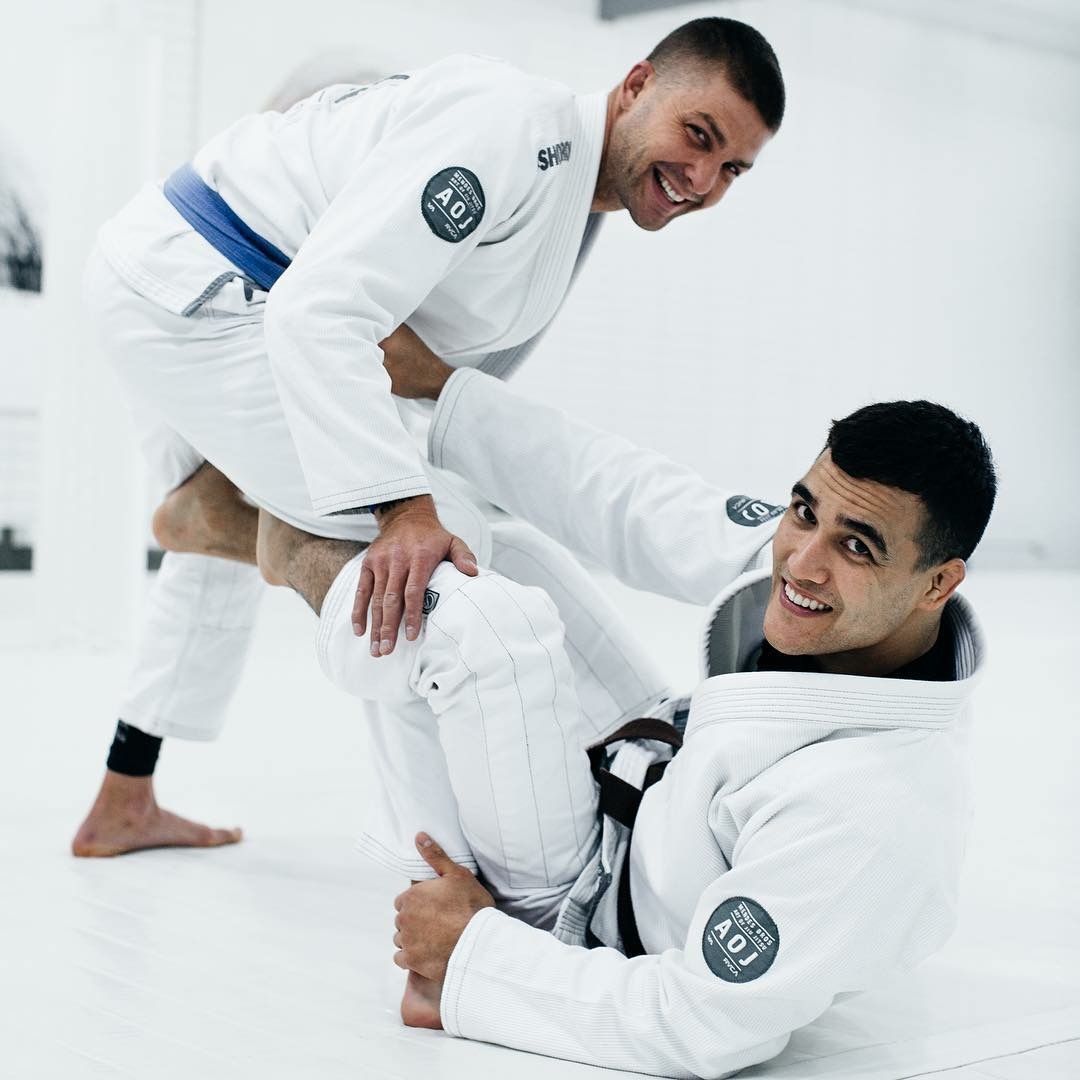
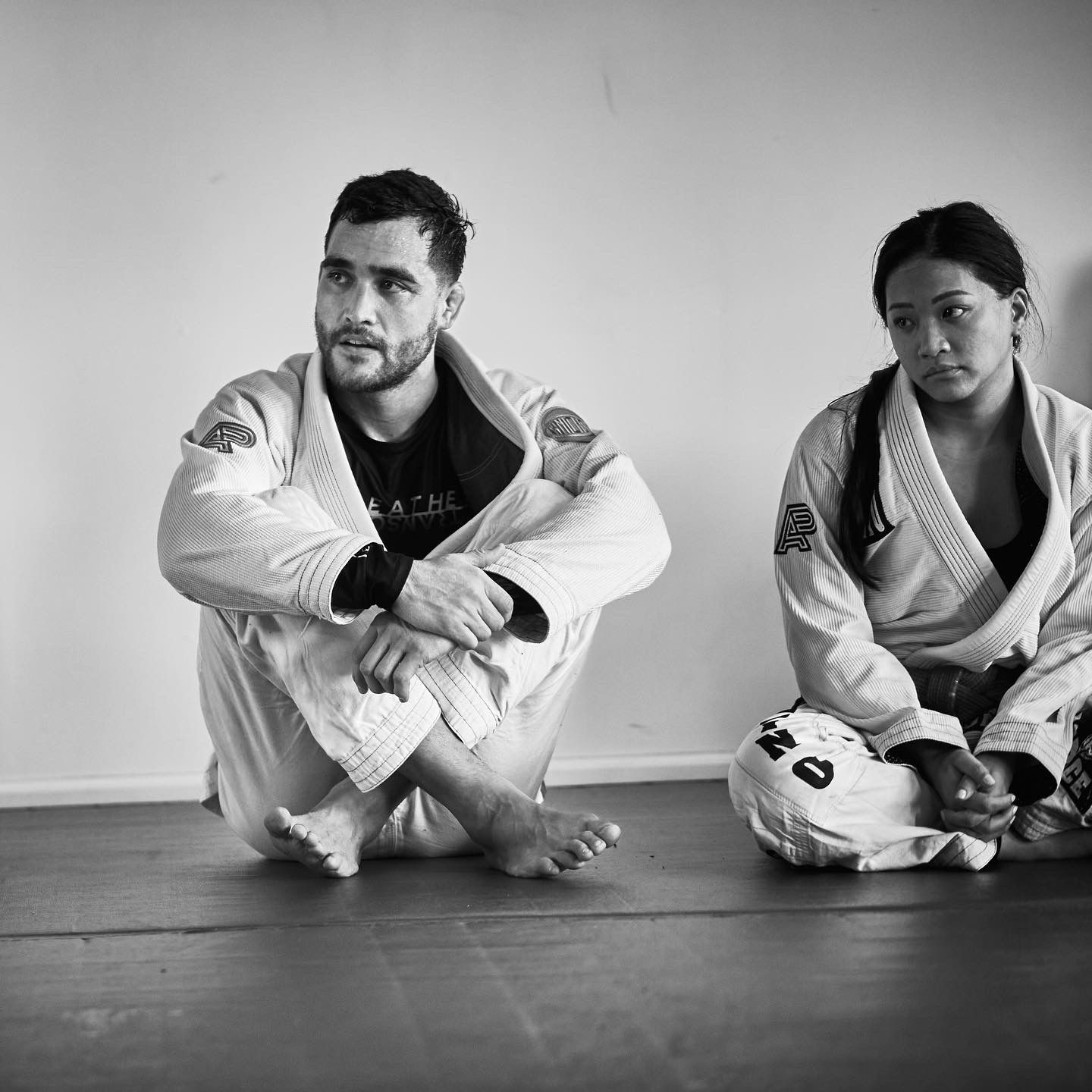
A few hours on the mats each week can make your mind sharper, your body stronger, and your days easier to start.
If you have ever wished you could focus longer, feel stronger without living in the gym, and actually stay motivated from one week to the next, Jiu Jitsu offers a surprisingly complete answer. It is physical, yes, but it is also deeply mental: you are solving problems in real time while your heart rate climbs and your comfort zone gets tested in a controlled way.
In our Yaphank, NY training environment, we see that change show up fast in small moments. You start noticing you do not reach for distractions as quickly. You stand up straighter. You feel a little more capable in your own skin, which carries into work, home, and the general chaos of a busy week.
And the best part is that this is not about being “tough” on day one. Brazilian Jiu Jitsu is built on leverage, positioning, and timing, which means you can progress steadily even if you are brand new, older, or coming back from a long stretch of doing basically nothing athletic.
Why Jiu Jitsu Builds Focus Faster Than Most Workouts
A normal workout can be a mental break, but it often does not demand much decision-making. Jiu Jitsu is different because every round is a moving puzzle. Your partner gives you real feedback, instantly, and your job is to stay present enough to adapt.
That is why focus improves in a very practical way. You are not just trying to “concentrate” because someone told you it is good for you. You are trying to remember details, notice patterns, and stay calm when you get stuck. Over time, that skill starts to feel familiar in regular life too.
Recent research points in the same direction. A 2024 dissertation on Brazilian Jiu-Jitsu athletes highlights positive impacts on mental strength, resilience, grit, self-efficacy, self-control, life satisfaction, and mental health. Practitioners also show improved attention and cognitive skills across short-, mid-, and long-term training, which matches what we watch happen on the mats: people become harder to rattle and quicker to problem-solve.
The “rolling” effect: real-time problem solving under pressure
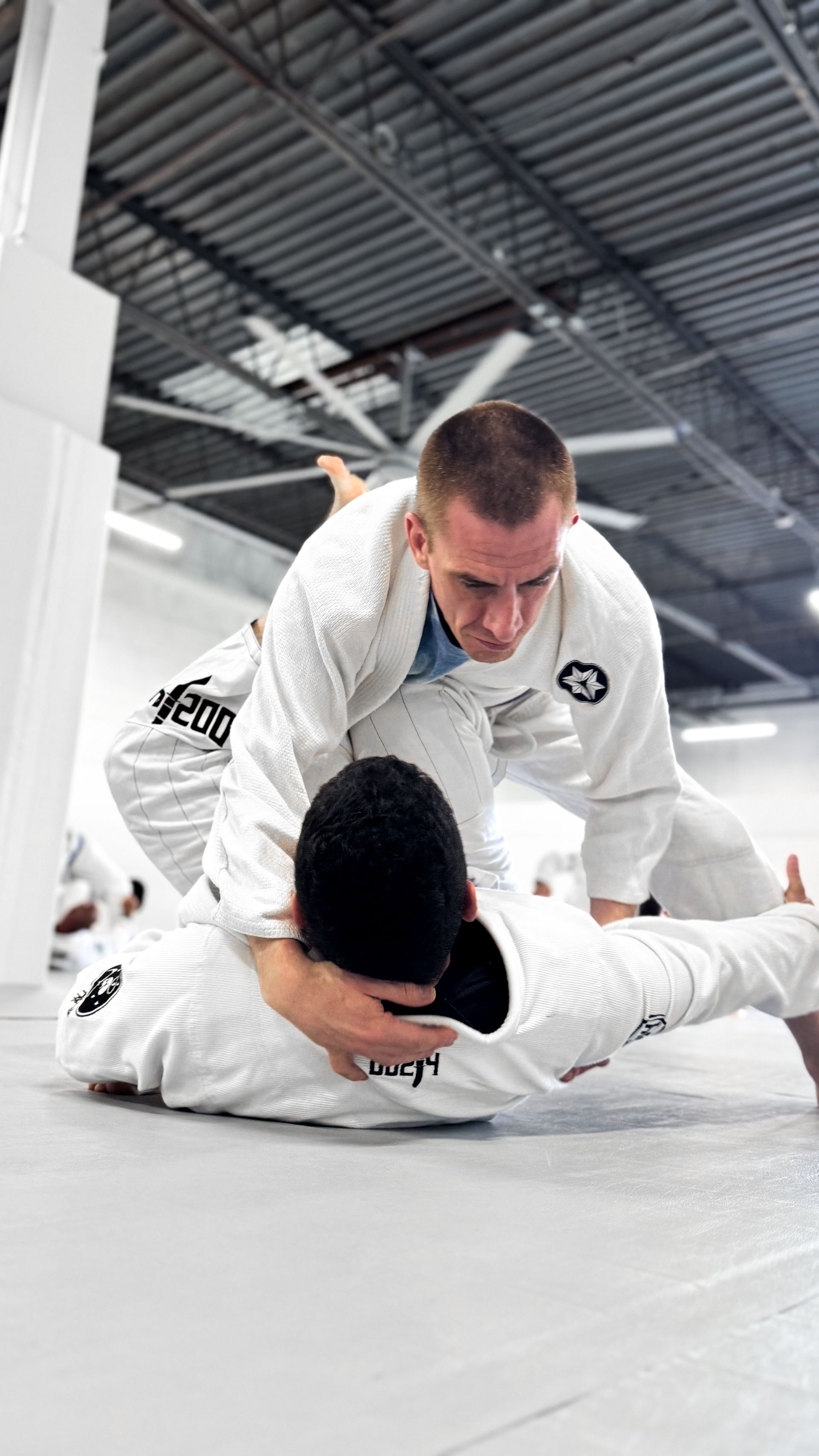
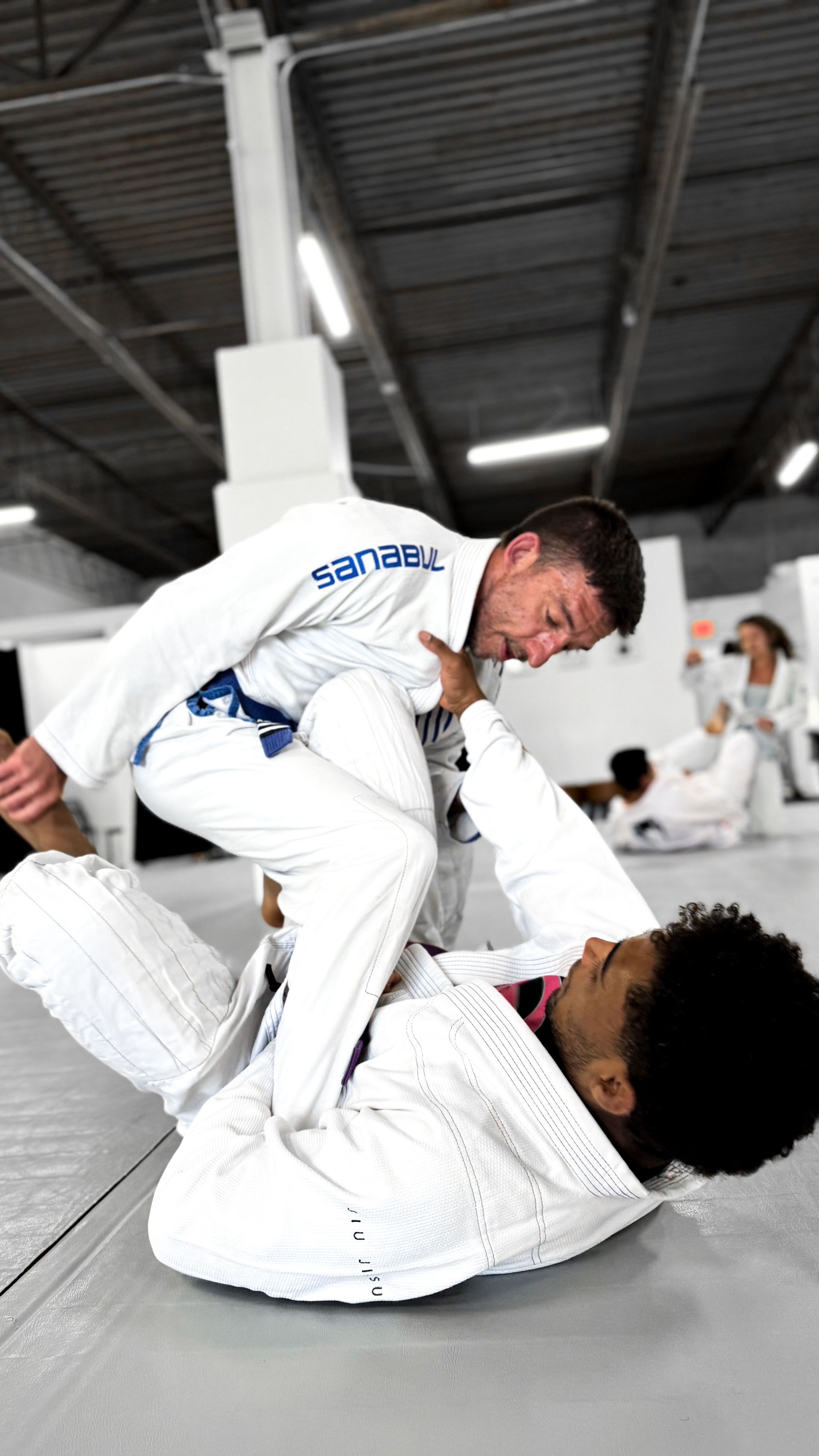
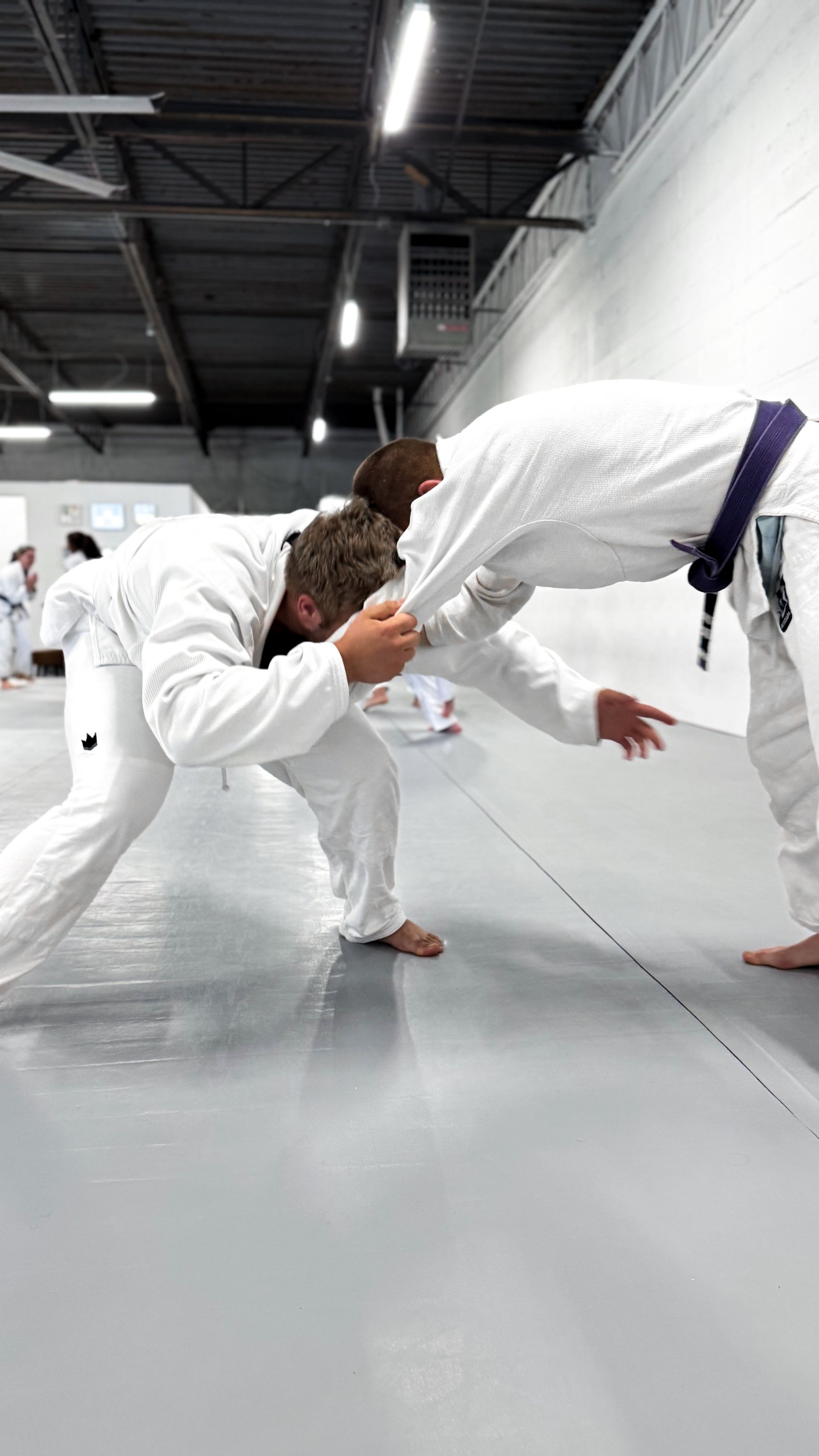
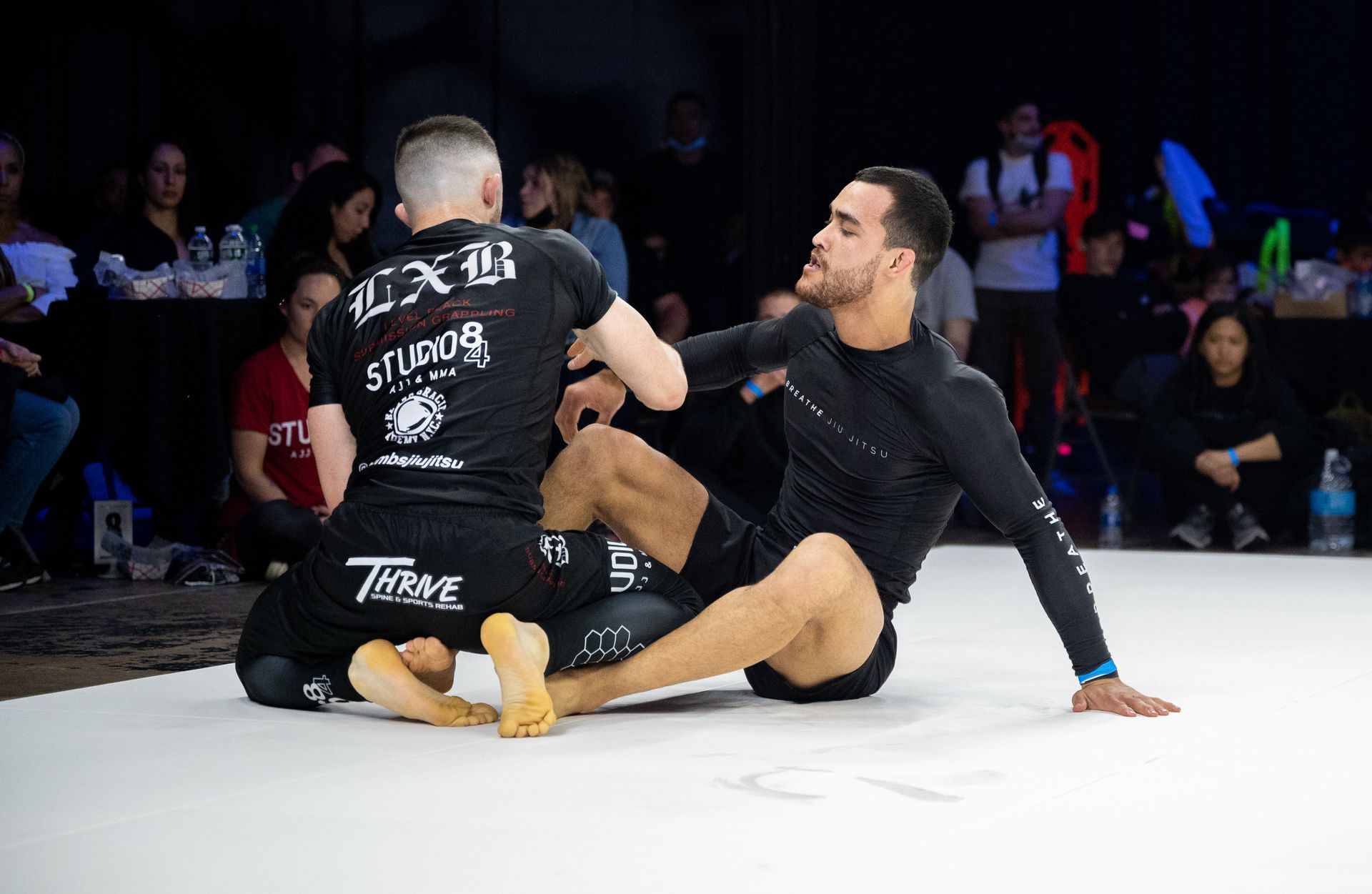
Live sparring, often called rolling, is where focus becomes unavoidable. You cannot scroll, zone out, or multitask. You have to feel weight shifts, protect space, escape bad positions, and set up your own progress, one small decision at a time.
Rolling is also where many students notice a quiet benefit: your mind stops replaying the day. For a few minutes, you are fully in the room. That kind of attention practice is rare now, and it is one reason people leave class feeling mentally reset.
Attention, not aggression: clearing up a common misconception
Some people worry training will make them more aggressive. In reality, controlled grappling usually pushes the opposite direction. You learn to regulate yourself, because trying to “go harder” rarely works for long. Technique beats tension. Breathing beats panic. That is a lesson you can use in traffic, at work, and in hard conversations at home.
How Strength Develops in Brazilian Jiu Jitsu (Without Just Lifting Heavier)
Strength in Brazilian Jiu Jitsu is not only about big numbers in a weight room. It is grip strength that shows up when you grab and control. It is core strength from staying balanced while someone tries to move you. It is leg and hip strength from bridging, standing up safely, and driving through positions.
Because training includes drilling and live rounds, you build strength while also learning exactly how to apply it. That is why many people feel “useful strong,” not just sore.
In our classes, we also emphasize durability: moving well, staying mobile, and developing balance. Those qualities matter if you want consistent training and consistent energy outside the academy.
What changes in the first 3 to 6 months
If you train consistently, most people notice physical changes sooner than they expect. Not because the training is random, but because the body adapts quickly to repeated grappling patterns and progressive intensity.
Here is what we commonly see with 2 to 3 sessions per week:
• Better endurance during everyday tasks, because rounds teach you to recover while working
• Stronger posture and core control, because you cannot rely on slumping or collapsing
• Improved balance and coordination, especially when standing up, stepping, and shifting weight
• More flexible hips and shoulders, because Jiu Jitsu forces usable ranges of motion
• A noticeable bump in “get up and go” energy, even on busy weekdays
That timeline is not magic. It is just structured practice, done often enough to create change.
Strength that comes from leverage, not brute force
One of the most empowering parts of Brazilian Jiu Jitsu in Yaphank is realizing you can solve problems with positioning and leverage. You learn how frames work, how angles matter, and how small adjustments can change everything. That keeps training accessible for many body types, and it also keeps progress interesting. There is always another detail to improve.
Daily Motivation: Why Training Gives You Momentum Outside the Gym
Motivation is tricky because it is not just a feeling. Most people do not wake up fired up every day. What works better is momentum: having a system that pulls you forward, even when you are tired.
Jiu Jitsu creates momentum because it gives you clear feedback and measurable progress. You can track rounds, techniques, and belt milestones, but you can also track quieter wins like staying calm longer, escaping a position you used to panic in, or showing up on a day you almost skipped.
Research supports the mental-health side of this too. In one set of research-backed stats, 87.5% of practitioners reported reduced anxiety and 96.9% experienced mood improvement. When your mood improves and anxiety drops, motivation tends to follow, because daily life stops feeling like such a grind.
Why our structure helps you stay consistent
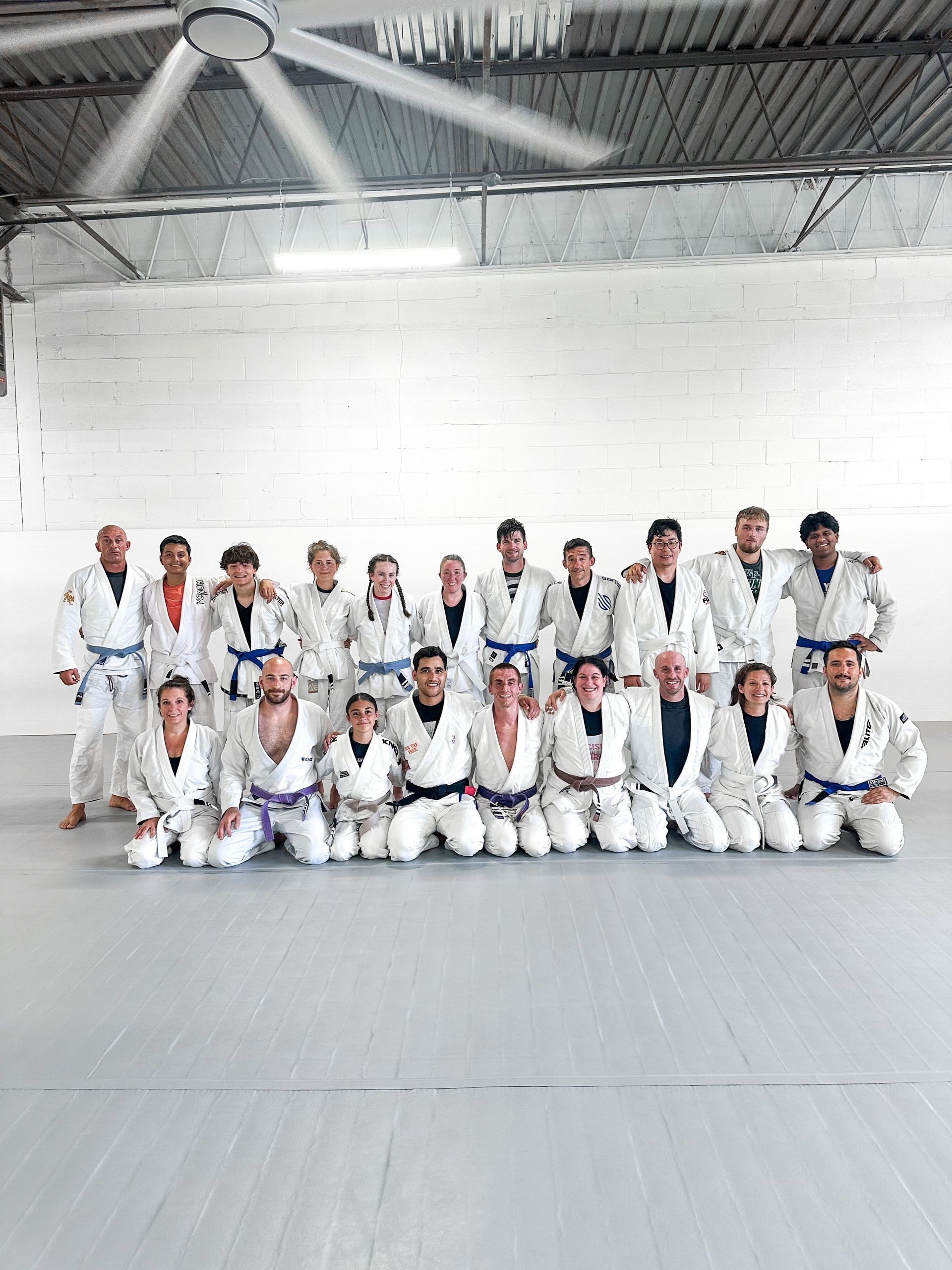
A lot of adults want to train but worry about time. We design our program for real schedules: parents, professionals, first responders, and beginners who need training to fit into life, not take it over.
Consistency usually comes from three things we build into the experience:
1. A predictable class format that removes guesswork when you walk in
2. Coaching that gives you one or two priorities at a time, instead of a flood of techniques
3. Training partners who help you learn safely, so you can keep coming back
When those pieces are in place, motivation becomes less about willpower and more about routine.
What a Typical Class Feels Like (So You Know What You Are Walking Into)
Walking into a new martial arts class can feel intimidating, even for confident people. We keep the flow straightforward so you can settle in quickly.
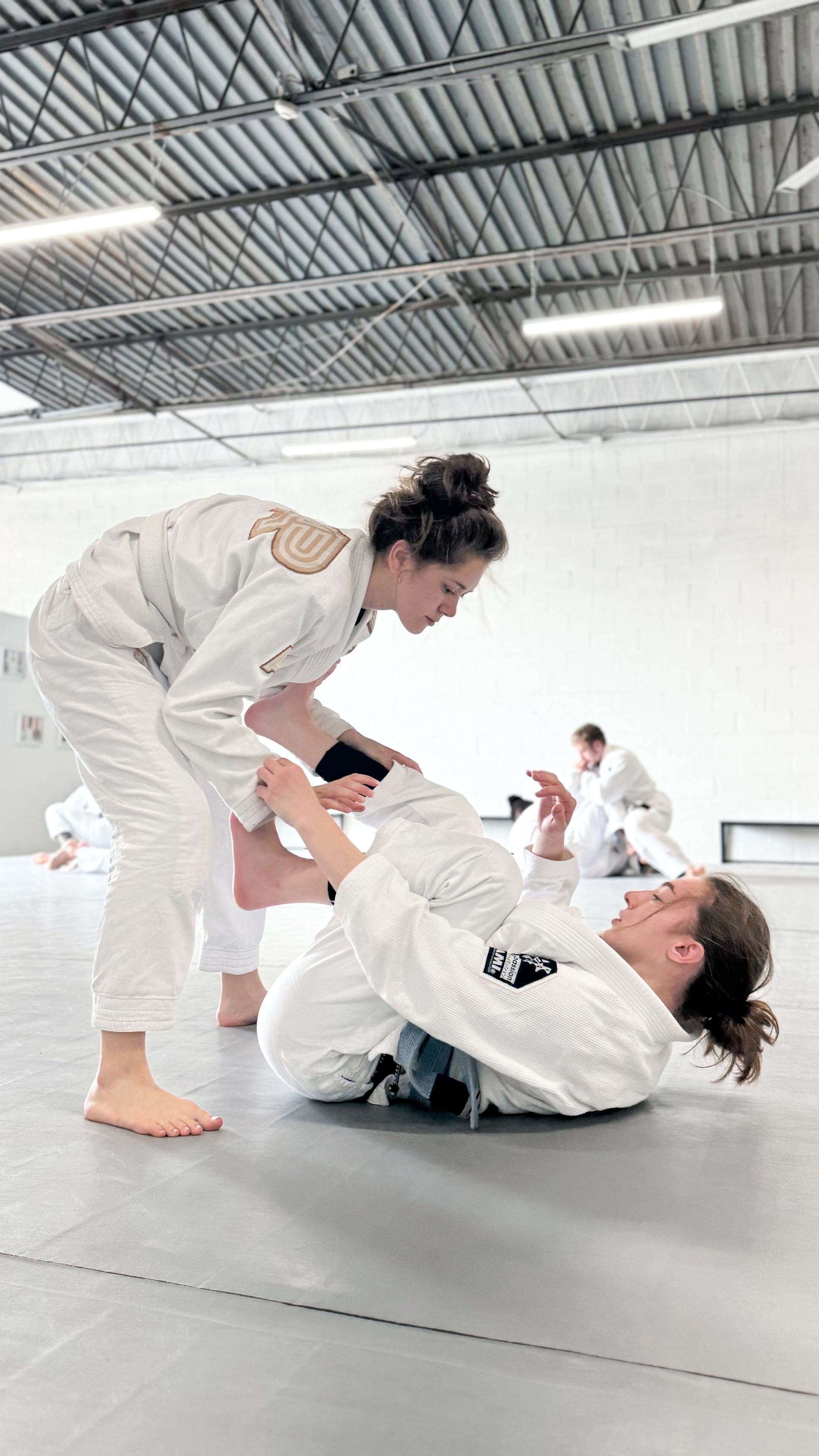
Most classes include a warm-up focused on movement that helps you grapple, not just generic calisthenics. Then we teach a technical sequence, usually built around a position or theme, with time to drill it. After that, many classes include live rounds where you apply what you are learning at an intensity that matches your experience level.
The room has its own rhythm. You will hear breathing, coaches giving small corrections, and the occasional laugh when something goes sideways. It is work, but it is not chaos.
Safety and control: what “hard training” actually means
Brazilian Jiu Jitsu is a grappling art, not a striking art, so control is the foundation. We spend time on tapping, positional safety, and how to train with partners responsibly. Hard training is not about ignoring limits. It is about learning steadily and staying healthy enough to keep training.
If you are worried about being “too out of shape,” that is common. Conditioning builds as you go. You do not need to arrive in shape. You get in shape by showing up.
Why This Matters Specifically in Yaphank, NY
Life on Long Island can look calm on the surface, but the pace is real. Long commutes, demanding jobs, family responsibilities, and constant digital noise all add up. That is why focus, strength, and motivation are not just fitness goals here, they are quality-of-life goals.
Training locally matters because it makes consistency realistic. If training requires a major commute or a total lifestyle overhaul, it is harder to sustain. Our Yaphank location makes it easier to keep your training close to home, so Jiu Jitsu becomes part of your week instead of a special event you rarely get to.
We also see how much this kind of training supports people in high-stress roles. First responders and professionals often tell us they value the chance to practice staying calm under pressure in a controlled setting. That skill transfers, because pressure is pressure, even when the context changes.
Getting the Most Out of Your First Month
Your first month sets the tone. The goal is not to learn everything. The goal is to build a base and feel comfortable enough to keep coming back.
A few practical tips help a lot:
• Train 2 to 3 times per week if your schedule allows, because spacing sessions too far apart slows learning
• Prioritize recovery: hydration, sleep, and a little mobility work go a long way
• Ask questions after class, especially about positions that keep showing up during sparring
• Focus on defense early, because feeling safe makes everything else easier to learn
If you do that, you will start noticing the benefits that matter most: you think clearer under pressure, you move better, and you carry yourself differently.
Take the Next Step
Building focus, strength, and daily motivation is not about finding a secret hack. It comes from doing something real, consistently, in an environment that makes progress feel possible week after week. That is exactly what we aim to deliver through Brazilian Jiu Jitsu in Yaphank, NY.
At
Breathe Jiu Jitsu, we keep training practical, structured, and welcoming, and we back it with a simple way to start: three free classes so you can feel the difference for yourself and see how our coaching and class schedule fit your life.
Take what you learned here to the mat by joining a Jiu‑Jitsu class
at Breathe Jiu‑Jitsu.