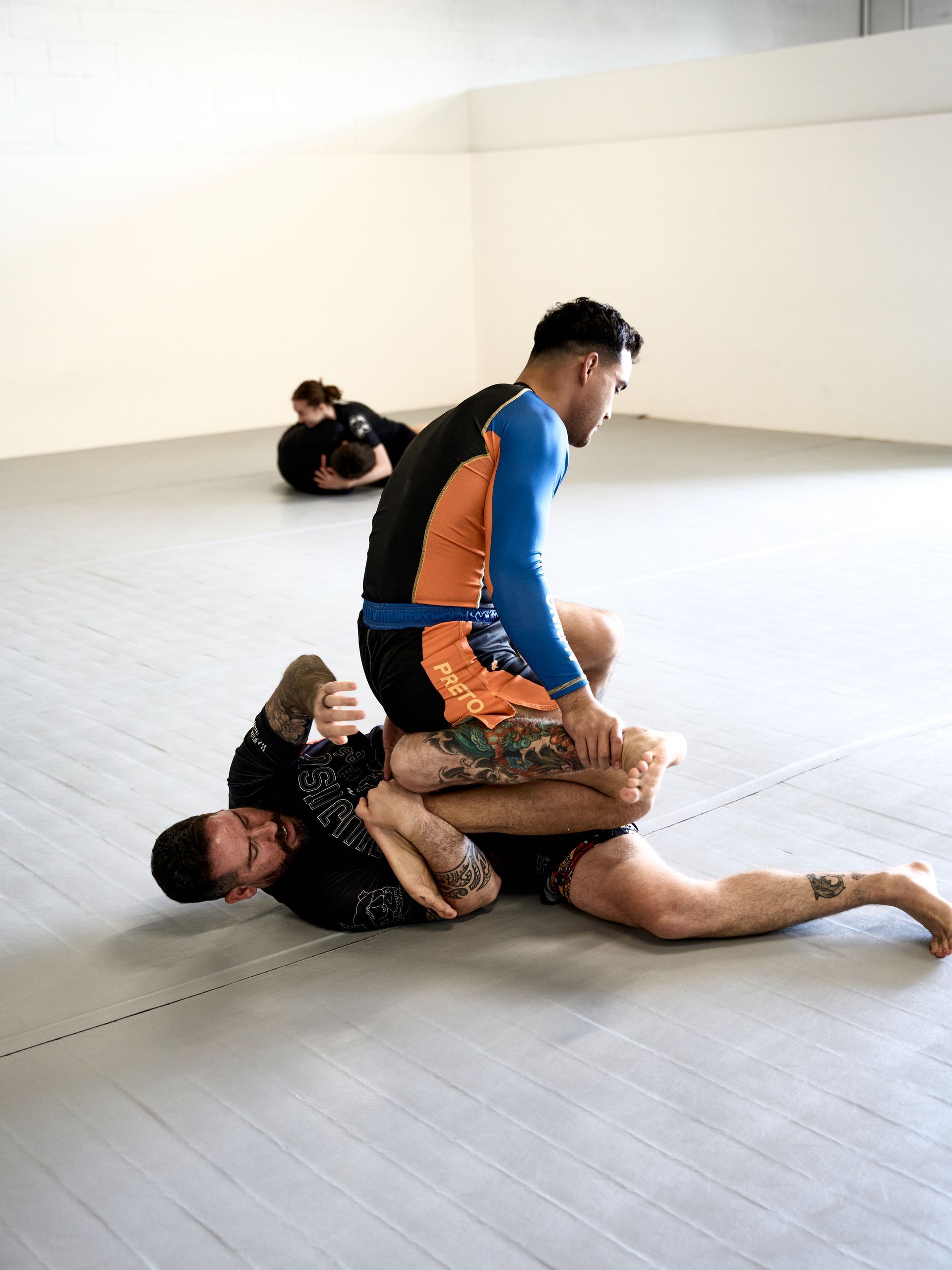
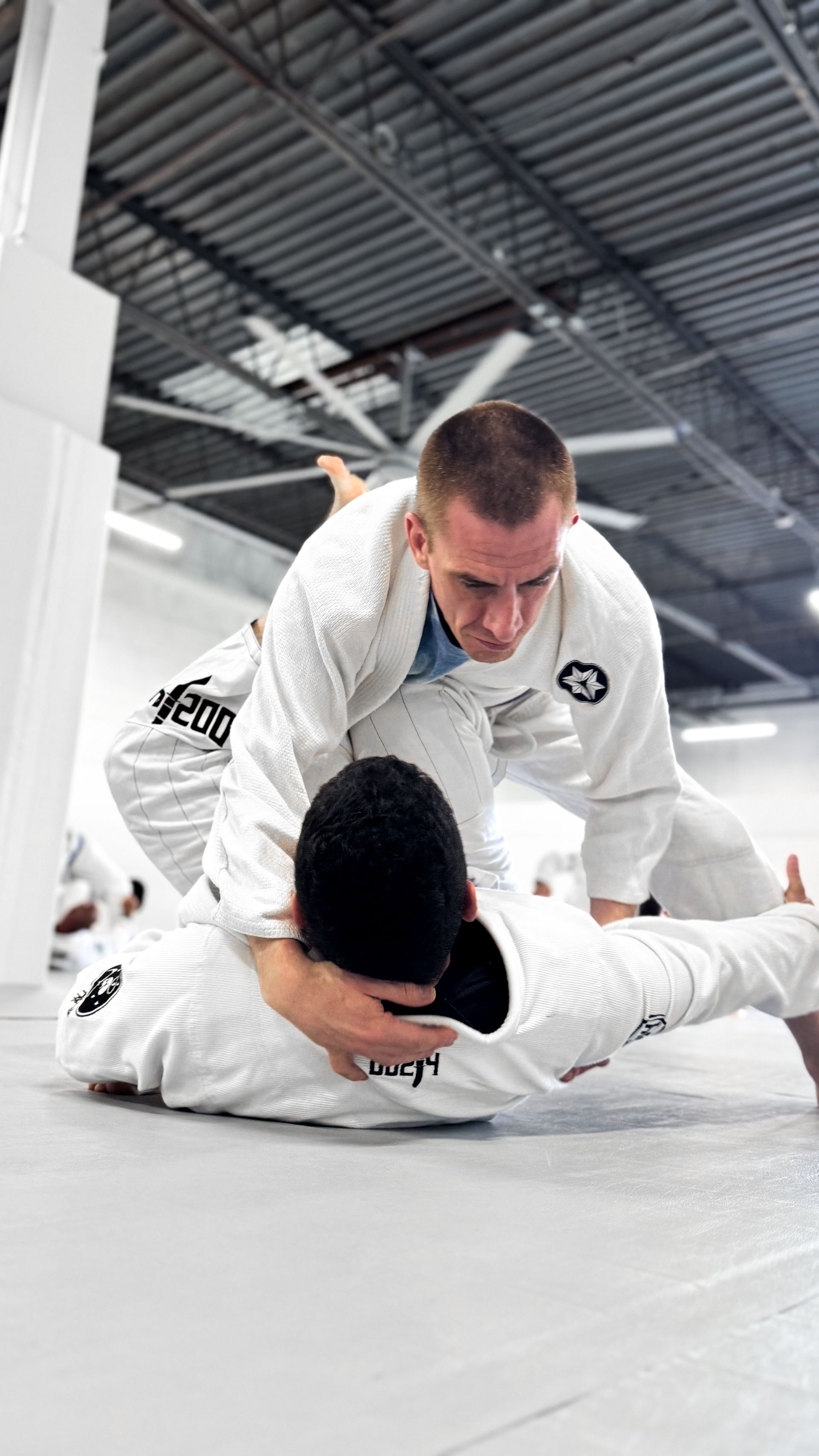
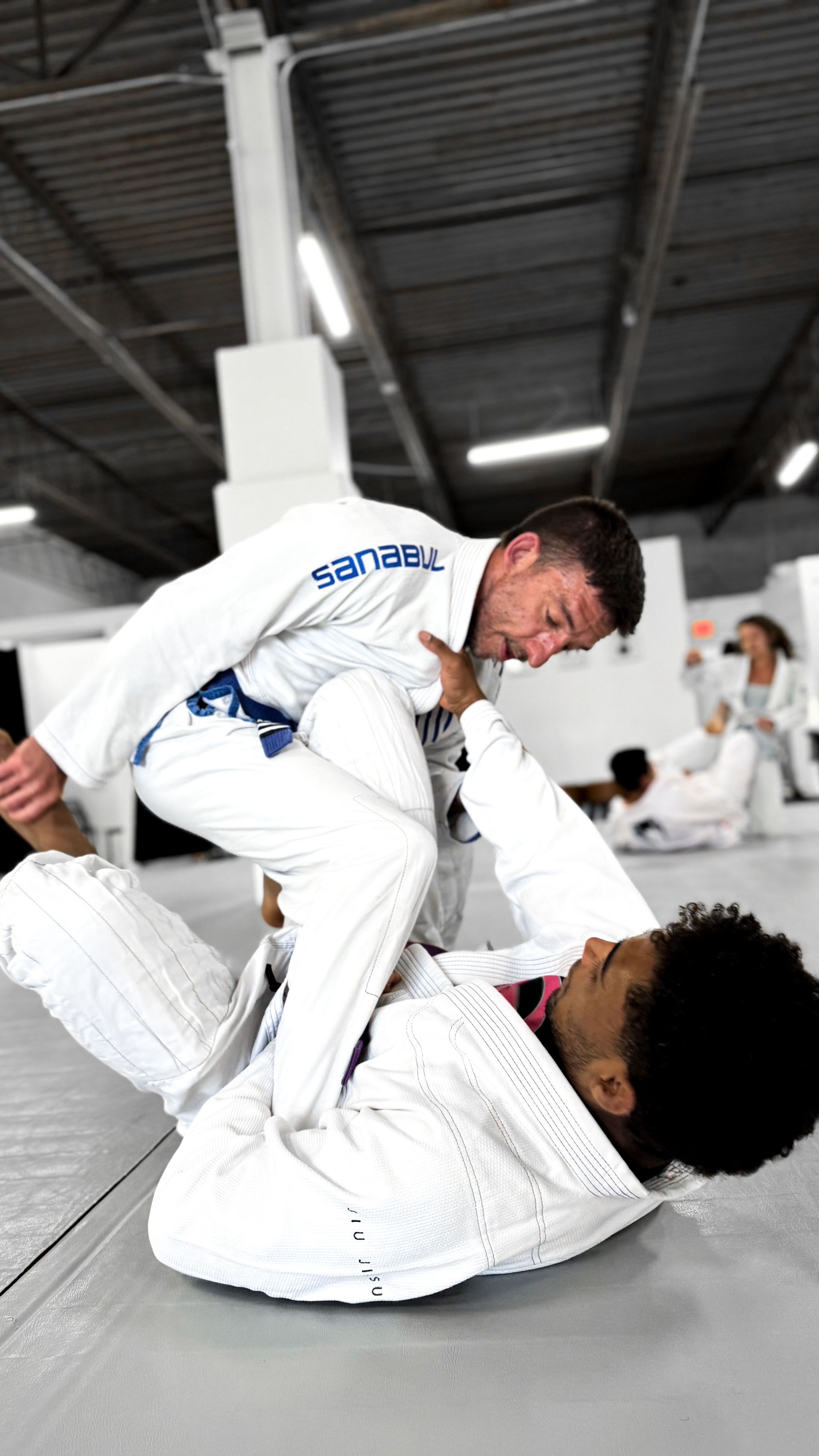
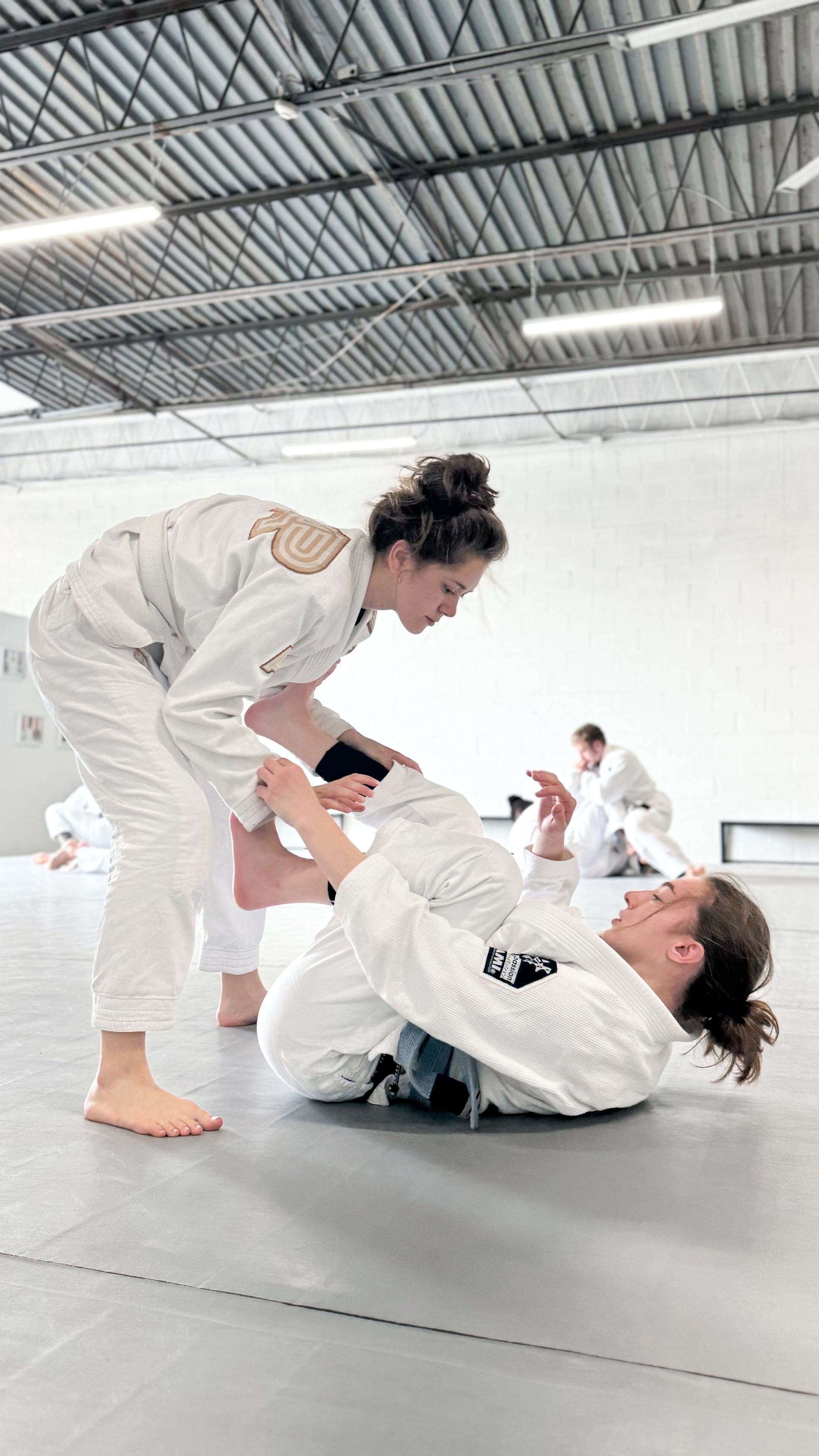
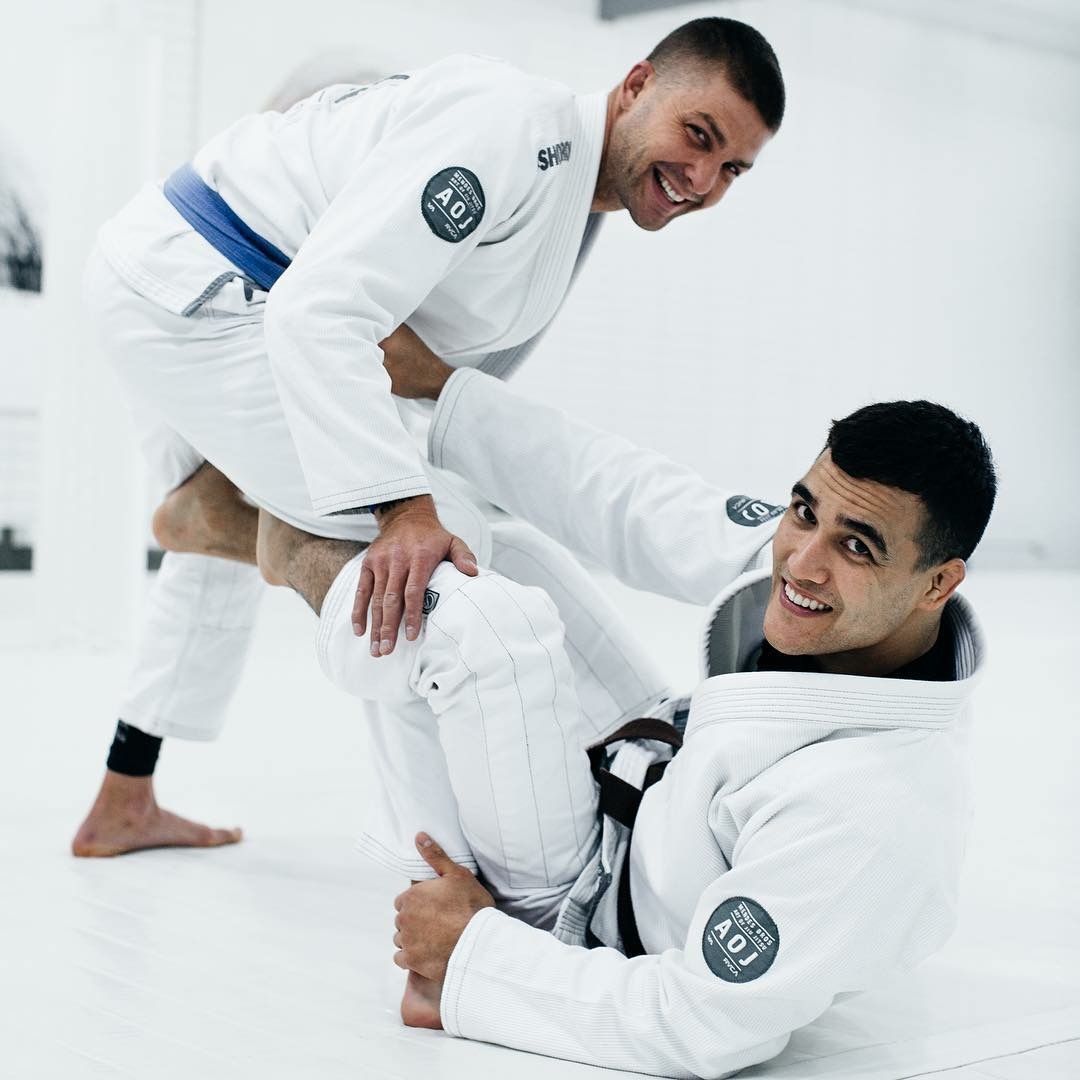
Jiu Jitsu lets you build real strength and real skill at the same time, even if you are starting from zero.
Jiu Jitsu has grown fast in the United States, with roughly 750,000 people training and search interest rising more than 100 percent since the mid-2000s. That kind of growth does not happen by accident. Beginners stick with it because the training is practical, mentally engaging, and surprisingly scalable for different body types and fitness levels.
If you are in Yaphank and you are looking for a way to get stronger without feeling trapped in a repetitive gym routine, Jiu Jitsu is a smart option. We get to train with resistance, leverage, timing, and controlled pressure, which means your body adapts quickly, but your brain stays involved too.
This guide breaks down how beginners can build strength and skill safely, what you should focus on early, and how we structure training so you can progress without feeling overwhelmed. Along the way, we will also talk honestly about injury prevention, because beginners are more likely to get banged up when training is unstructured, and we take that seriously.
Why Jiu Jitsu Builds Strength Differently Than Typical Workouts
A lot of strength programs are linear: lift heavier, do more reps, repeat. That works, but it can feel disconnected from anything functional. In Jiu Jitsu, strength shows up as a result of better positions, better frames, better posture, and better breathing. You still get stronger, but it is strength you can use immediately.
When you start training, your first “strength gains” are often coordination gains. You learn how to connect your hips to your upper body, how to keep your elbows in, how to stay balanced while moving another person. In plain terms, you stop leaking energy everywhere.
You also build what many beginners are missing most: isometric endurance. Think about holding posture in someone’s guard, maintaining a tight pin, or defending a choke long enough to escape. Your muscles learn to work under steady tension, and your heart and lungs learn to stay calm under pressure. That is a different kind of fitness, and it carries over into daily life more than most people expect.
Beginner Reality Check: Skill Comes First, Then Strength Shows Up
Most beginners try to “muscle” techniques. It is normal. But in Brazilian Jiu Jitsu in Yaphank, NY, we want you to feel what happens when leverage beats effort. The goal is not to win rounds by being stubborn. The goal is to build a base of technique so your strength works for you instead of against you.
In competition at the highest levels, you see certain patterns: chokes are a huge percentage of finishes, and wrestling and takedowns matter more than many casual fans realize. Even if you never compete, those trends point to something important for beginners: the fundamentals work. If you can learn to control posture, win inside position, and apply clean finishing mechanics, you will progress faster than someone chasing flashy moves.
So yes, we care about your fitness. But we care more about you learning the right movement patterns early, because those patterns keep you safer and help you improve consistently.
The Beginner Foundations We Build in Class
A beginner program should not feel like random techniques taped together. You need a roadmap, and you need repetition that actually makes you better. When you show up, we want you to know what you are practicing and why it matters.
Here are core areas we prioritize early so you can grow skill and strength together:
• Positional awareness and escapes so you know how to stay safe when things go wrong, including how to frame, hip escape, and recover guard under pressure
• Guard fundamentals that teach you distance management, grips, off-balancing, and how to create space without relying on explosiveness
• Top control and pressure concepts so you learn to stabilize positions like side control and mount using weight placement and timing
• High-percentage submissions, especially chokes, because clean mechanics matter and chokes remain the most common finish in high-level grappling
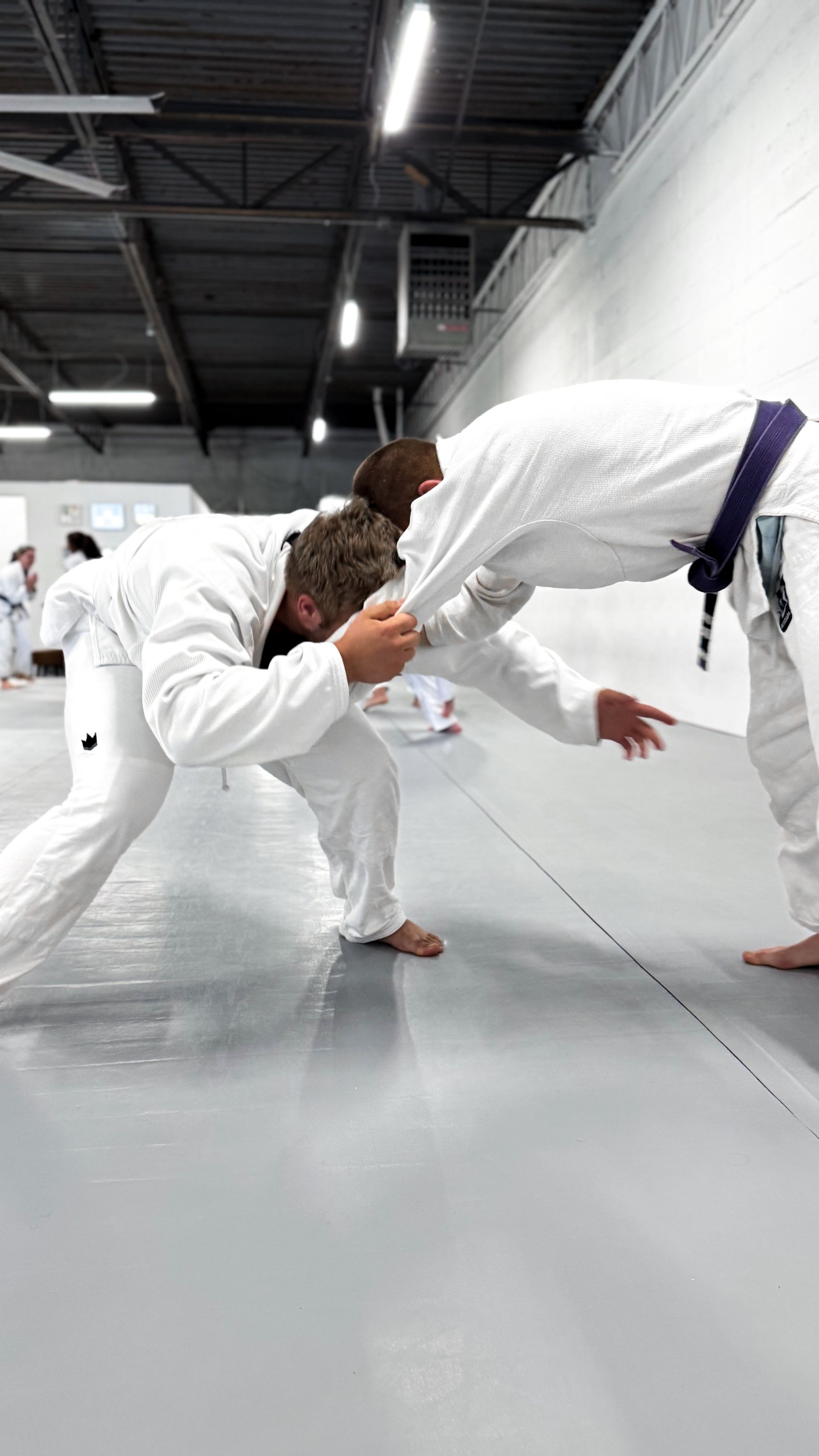
• Stand-up basics that introduce takedown entries and balance without turning class into a chaotic scramble
These areas support each other. Escapes teach composure. Guard teaches movement and timing. Top control teaches pressure and patience. Submissions teach precision. Stand-up teaches confidence in transitions. Put together, this is how Jiu Jitsu in Yaphank, NY becomes a complete training system instead of just “a class.”
How to Build Strength as a Beginner Without Burning Out
You do not need to get in shape before you start. You get in shape by showing up and training progressively. That said, beginners do better when they treat the first few months like skill acquisition with a side of conditioning, not the other way around.
We like simple strength support that does not fight your recovery. Bodyweight basics and joint-friendly work are usually enough at first, especially if you are also learning how to move on the mat.
A practical weekly approach for many beginners looks like this:
1. Train Jiu Jitsu two to three times per week to build consistency without overloading your joints
2. Add two short strength sessions focused on hinges, squats, pushes, pulls, and trunk stability
3. Walk more than you think you need, because low-intensity work helps recovery and keeps your conditioning moving in the right direction
4. Sleep like it is part of training, because it is, and your progress will show it
5. Eat for training, meaning enough protein and enough overall calories to recover, not just “eat clean” and hope for the best
This is not glamorous, but it works. The best beginner plan is the one you can repeat for months.
Gi vs No-Gi for Beginners in Yaphank
Beginners often ask whether they should start in a gi or no-gi. We train in a way that builds real grappling skill either way, but for many new students, the gi can make learning feel more structured. The grips slow things down just enough that you can identify positions, understand leverage, and feel what good control is supposed to be.
The gi also teaches patience and detail. You cannot rely on speed alone when someone can hold your sleeve or collar. That can be frustrating for about two weeks, and then it becomes a superpower.
No-gi tends to feel faster and slipperier, and it rewards wrestling-style movement and tight control. Because high-level events show a strong wrestling influence, we do not ignore that. We just introduce it in a way that matches where you are right now, not where you think you should be.
If you are unsure, we help you choose a starting lane based on your goals and comfort. What matters most is that you train consistently and safely.
Injury Prevention: The Part Beginners Should Take Seriously
Jiu Jitsu is a contact sport, and injuries are real. Studies show a high percentage of athletes report at least one injury within a six-month window, and beginners often get hurt in training because they do not know when to slow down or when to tap. That is not meant to scare you. It is meant to set expectations so you can train smarter.
We reduce risk by keeping beginner training structured, by emphasizing controlled rounds, and by teaching you how to protect your joints and neck early. We also coach you on how to choose training intensity. Not every round needs to be a war. In fact, the fastest learners usually train with a calm, steady pace.
A few habits that keep beginners training longer:
Tap early to joint locks, especially when you are still learning what “too late” feels like.
Breathe on purpose, because holding your breath makes you tense and more likely to move awkwardly.
Avoid scrambling blindly. If you do not see the position, pause and build frames instead of yanking.
Communicate with training partners if something feels off. We want training to be challenging, not reckless.
If you do these things, you will stay on the mat more often, and that is the biggest “secret” to getting good at Jiu Jitsu.
What Progress Looks Like in Your First 90 Days
Beginners sometimes expect a straight line: week one, learn a move; week two, hit the move; week three, feel confident. Real progress is messier. You will have days where everything clicks, then a day where you feel like you forgot how to shrimp. That is normal.
In the first month, your biggest wins are survival and familiarity. You learn the culture of the room, basic positions, and how to move without panicking. In month two, you start recognizing patterns. You might hit an escape you have practiced, or you might keep your posture longer in someone’s guard. In month three, you begin connecting techniques: an escape turns into guard recovery, which turns into a sweep attempt, which turns into top control.
Your strength improves during all of this, but it often shows up as “I can train longer without gassing” and “I can hold position without shaking,” not just bigger muscles. That is the kind of strength that matters on the mat.
Why Training Local in Yaphank Helps You Stay Consistent
Consistency is the real accelerator. When training is nearby, it is easier to show up even when you are tired after work, or when the weather is not perfect, or when you are not feeling especially motivated. Training close to home in Suffolk County also connects you to the broader Long Island grappling community and the New York tournament scene, but you do not need to compete to benefit from that energy.
The bigger point is simple: when the academy is part of your weekly rhythm, your progress becomes inevitable. We design our class schedule to support that rhythm, with sessions that help beginners build foundations and keep moving forward without guessing what to do next.
Take the Next Step
Building real skill takes time, but you should feel supported from day one, and your training should make sense while you are doing it. That is the standard we hold ourselves to, and it is why our beginner pathway focuses on fundamentals, safety, and steady improvement instead of random technique collecting.
At
Breathe Jiu Jitsu, we coach beginners in Yaphank to develop strength you can use, confidence that comes from competence, and Jiu Jitsu that keeps working as you grow. When you are ready, we will help you start in a way that feels clear, manageable, and genuinely fun to come back to.
Improve your fitness, confidence, and grappling ability through Jiu‑Jitsu training at Breathe Jiu‑Jitsu.