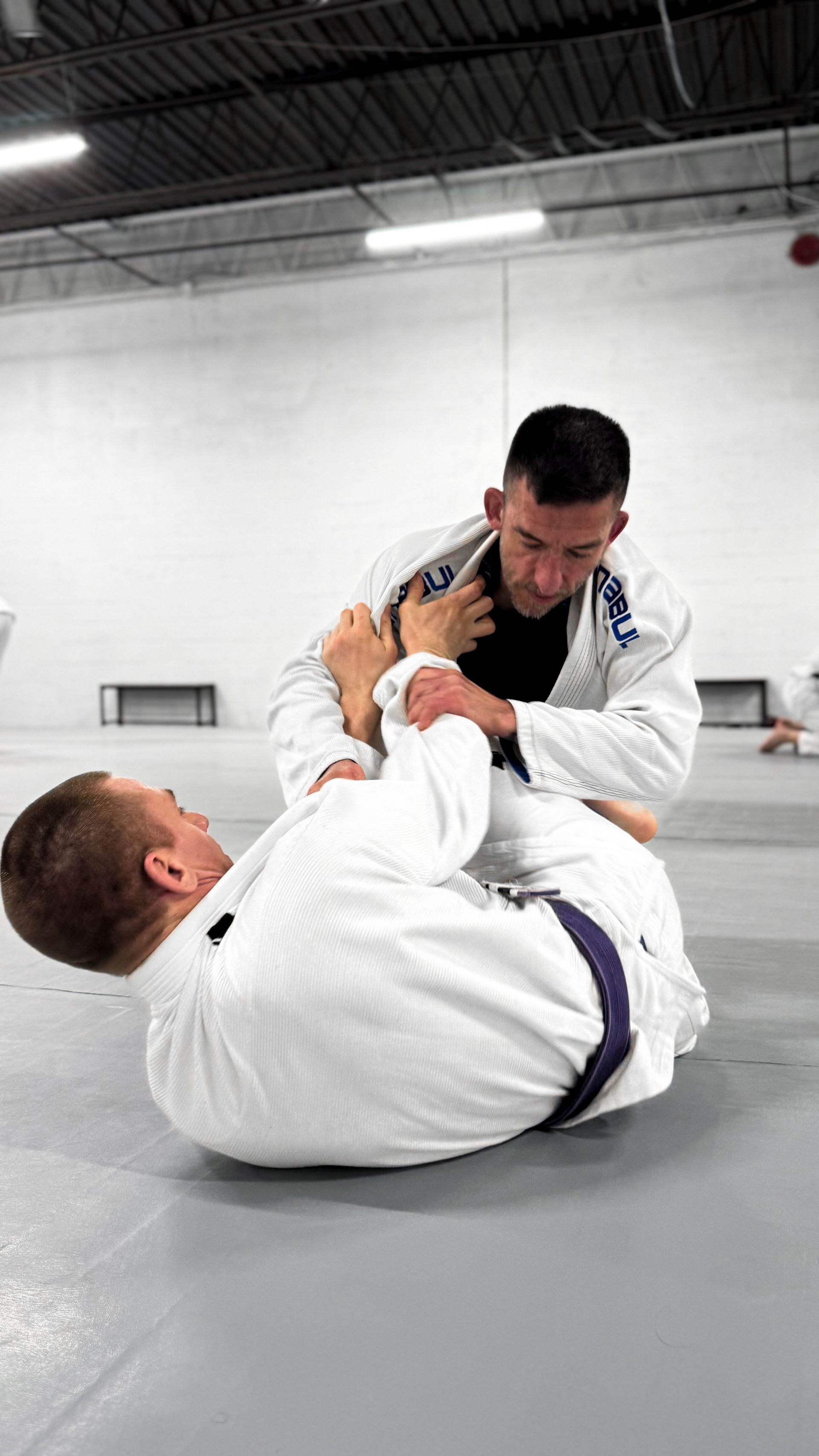
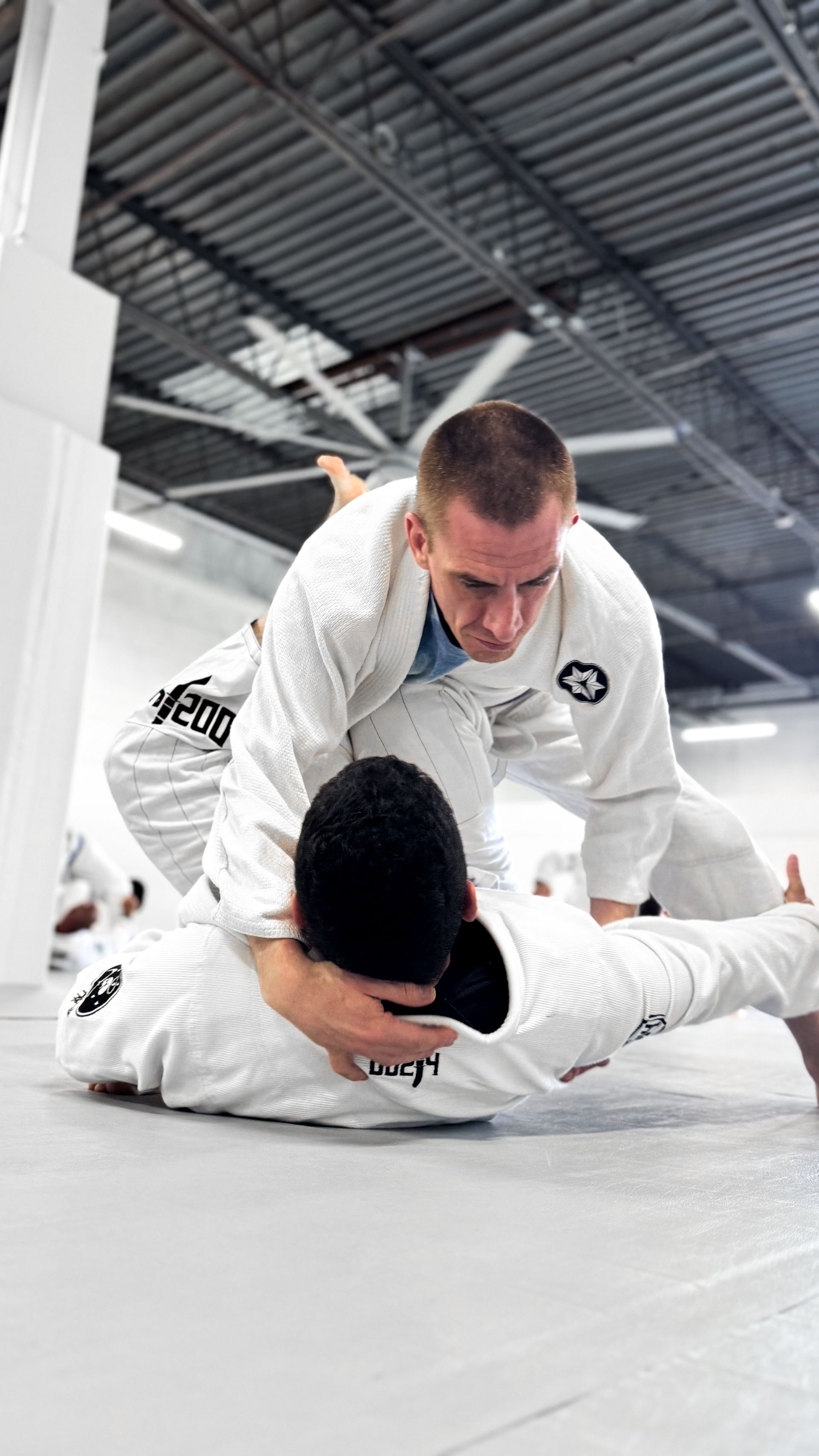
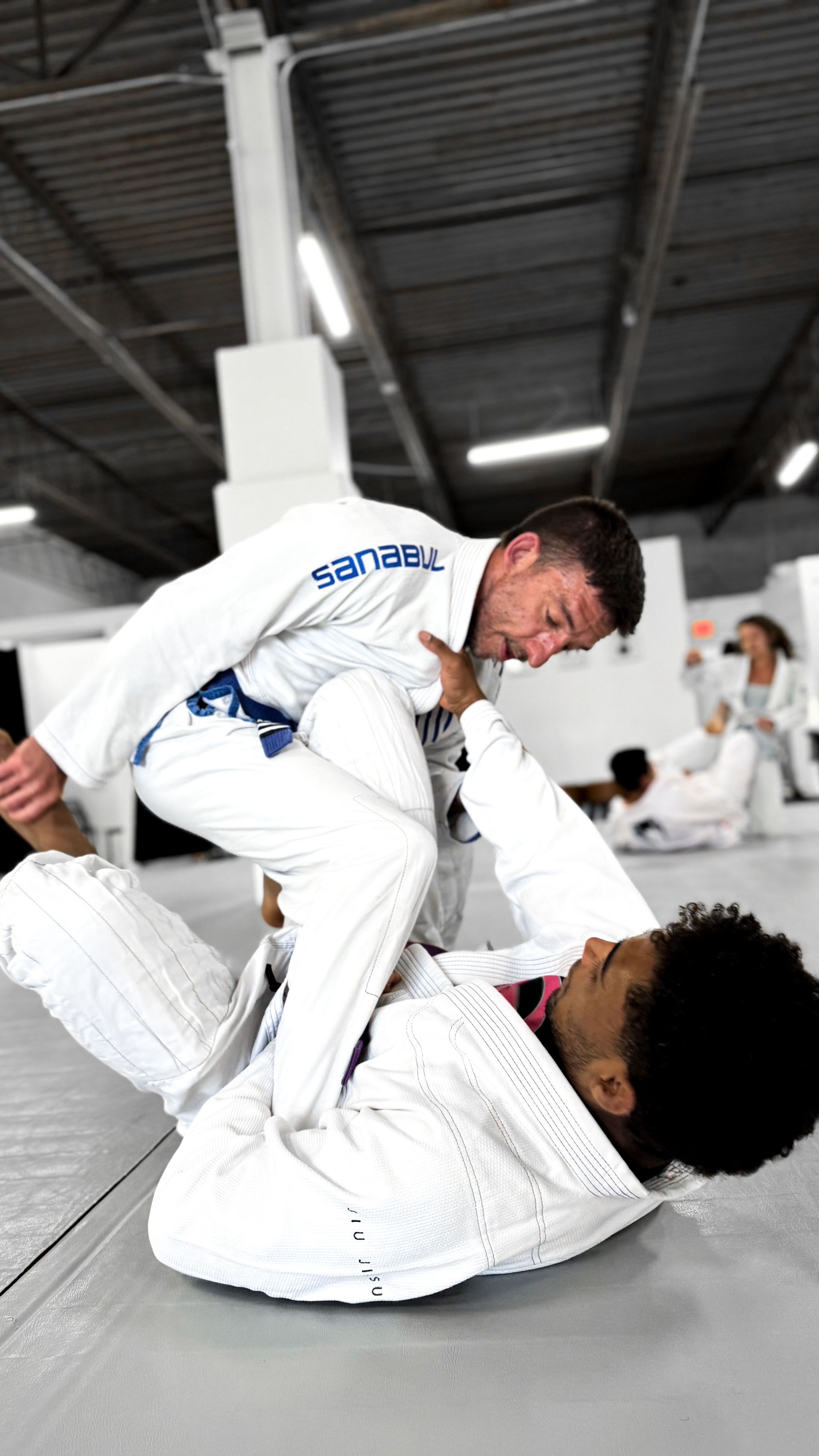
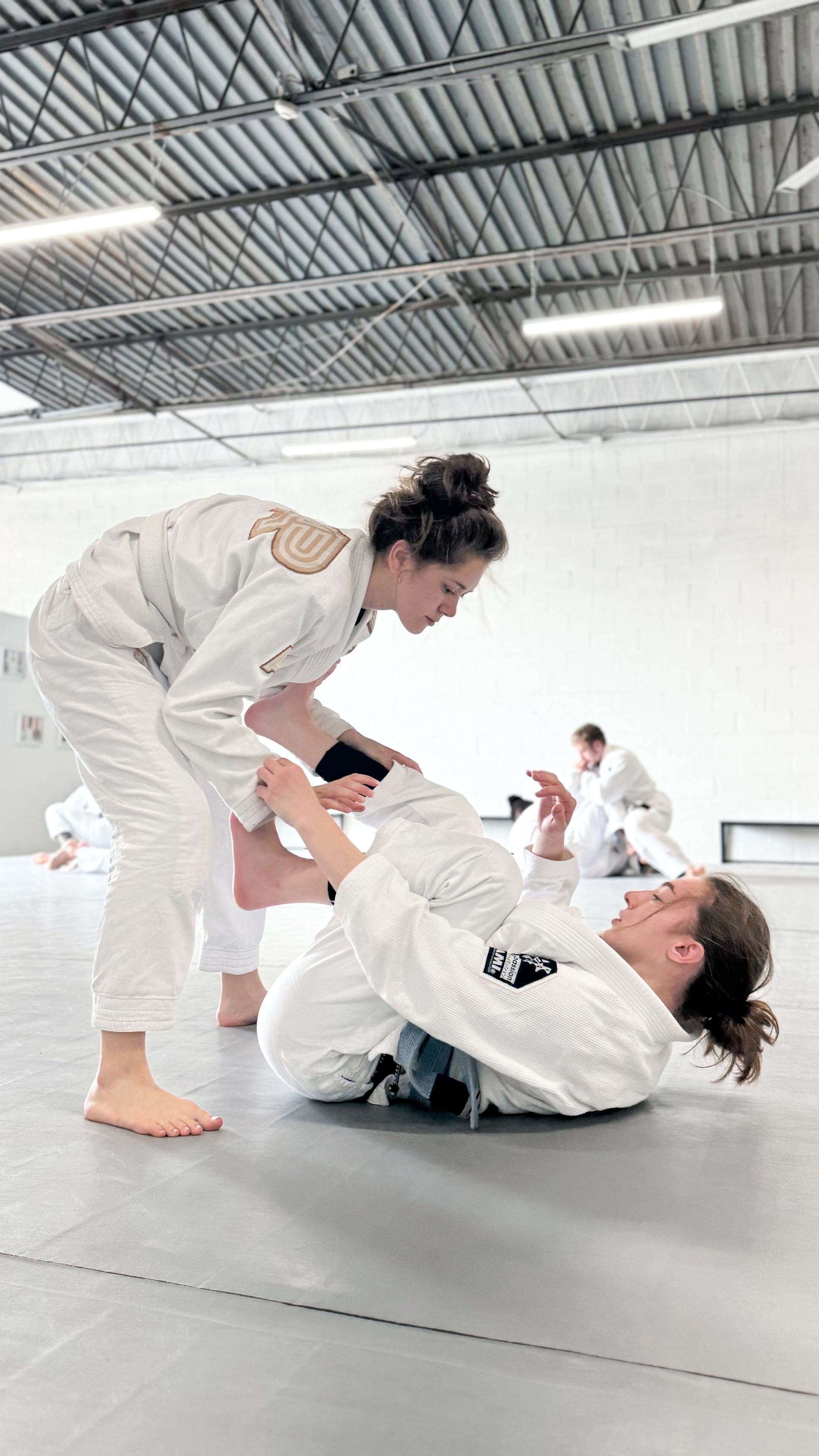
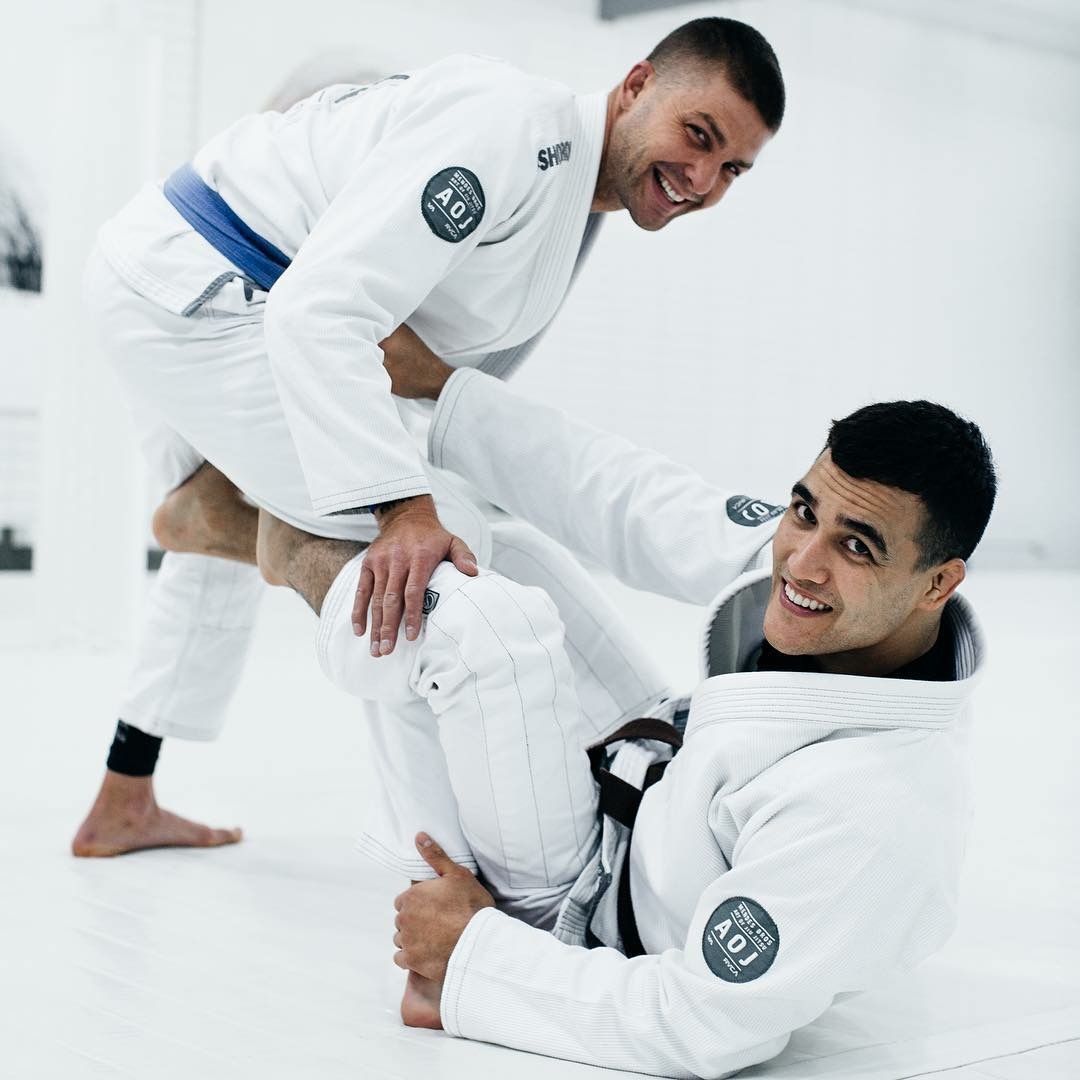
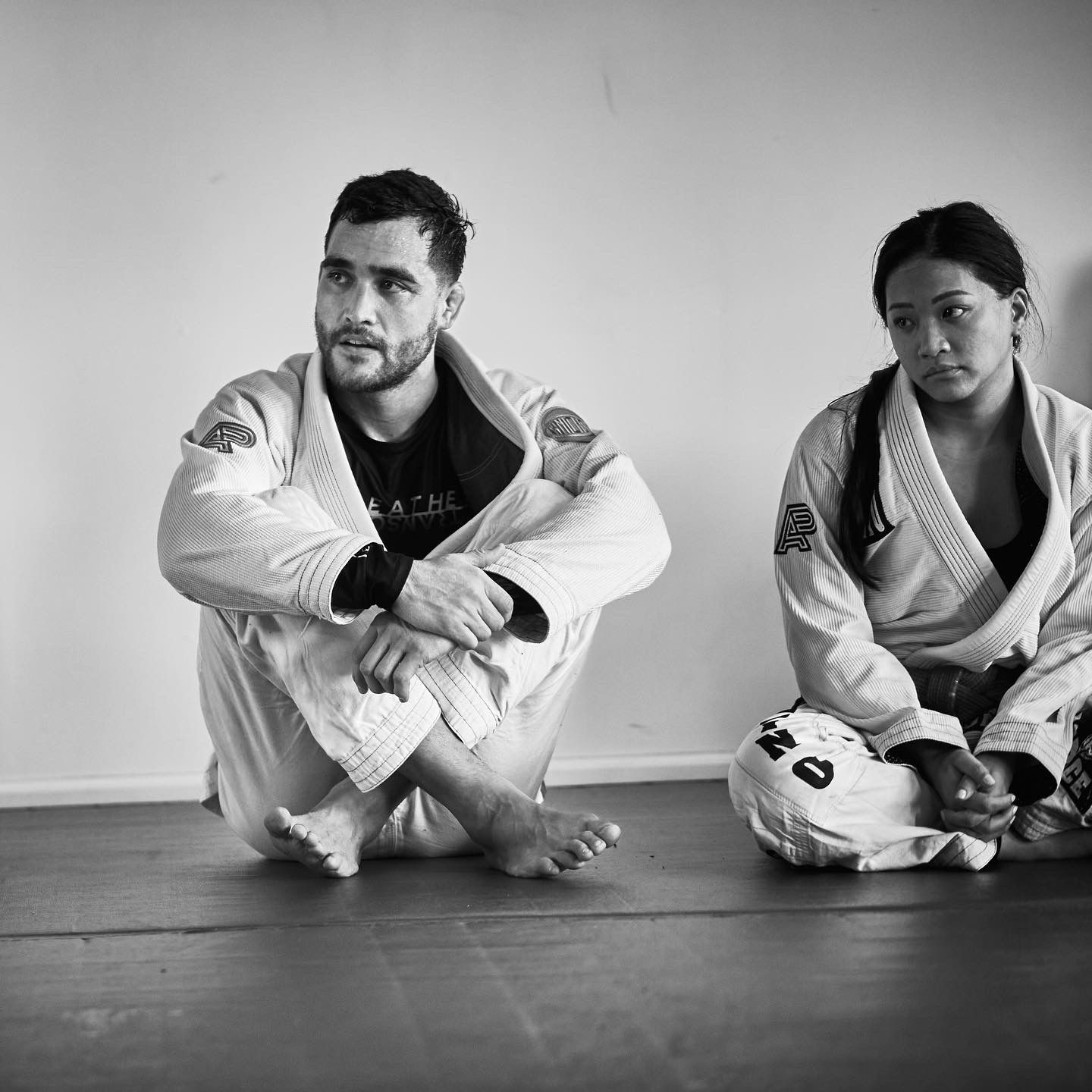
Real self-defense is less about winning a fight and more about controlling chaos when things get close, fast.
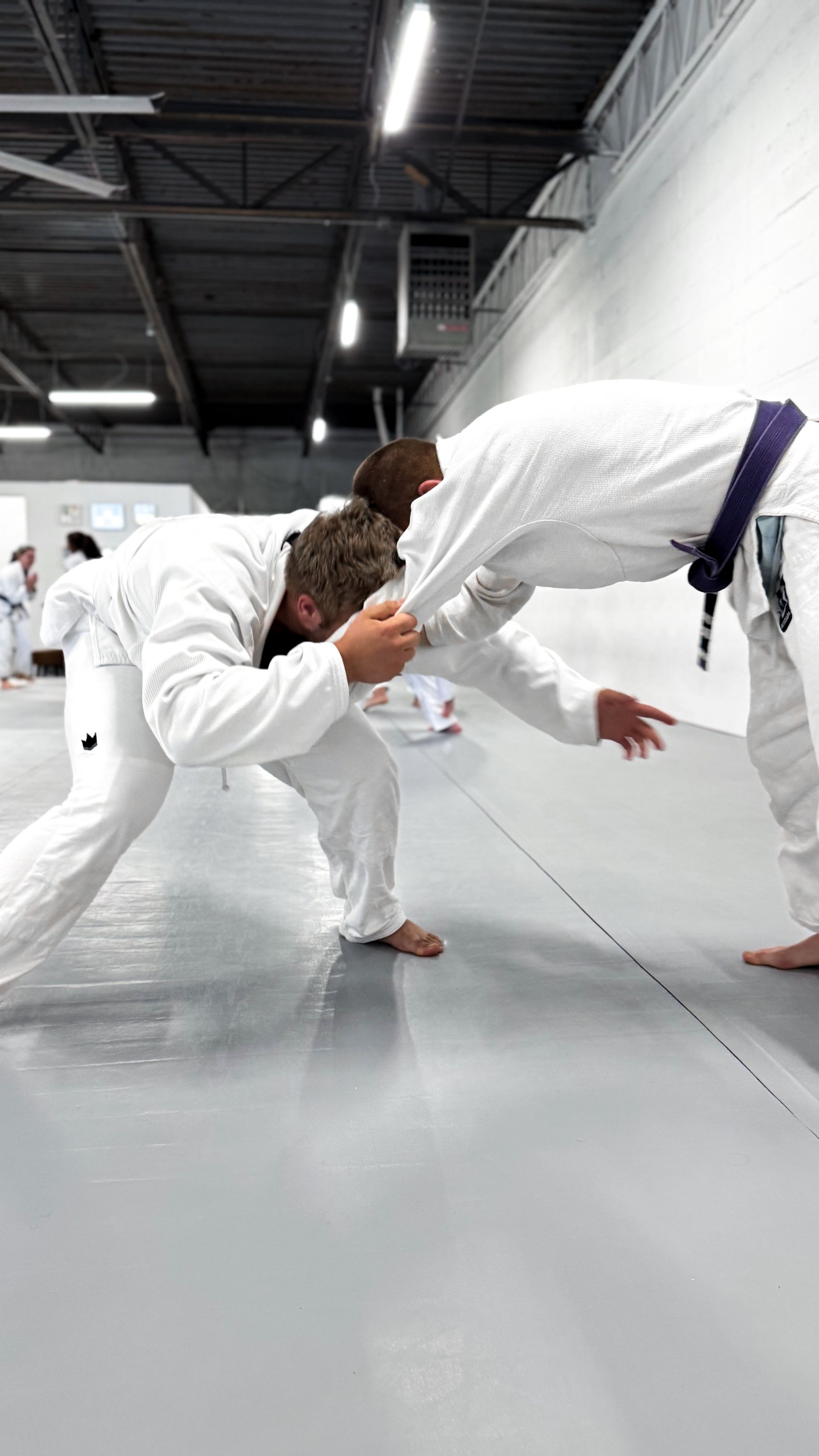
If you have ever watched an argument turn into grabbing and shoving, you already understand a key truth: most real problems start at arm’s length and quickly become a clinch. That is one reason Jiu Jitsu has earned its reputation as a practical self-defense system, especially for everyday people who are not trying to trade punches.
We built our training around that reality in Yaphank. Instead of relying on strength, our classes prioritize leverage, positioning, and control so you can protect yourself sooner than you might expect. The goal is simple: give you skills you can actually use, and teach them in a way that feels safe enough to practice consistently.
Why Jiu Jitsu works for real self-defense in Yaphank
Jiu Jitsu is built on a straightforward idea: when you understand body mechanics, you can manage a bigger, stronger person without needing to overpower our way through. That matters in real life, where surprise and size differences are common, and where the ground can become part of the situation whether you want it or not.
We also like that the art gives you options beyond “damage.” In many self-defense scenarios, your safest outcome is creating space, stabilizing an attacker long enough to escape, or controlling someone without escalating the harm. That approach shows up in real-world adoption too. Police departments that implemented grappling-based tactics reported major reductions in force and injuries across thousands of incidents, including a 37 percent drop in use of force and fewer injuries for both officers and suspects in one multi-year report.
For our community in Suffolk County, practical control is a big deal. Yaphank life is not a movie scene; it is parking lots, house parties, crowded events, and everyday errands. Close-quarters conflicts can happen anywhere, and we train to handle that messy range where balance, grips, and calm decision-making matter most.
How we teach “fast” self-defense without cutting corners
When people ask how quickly they can build usable skills, we are careful with the answer. Mastery takes time. But functional self-defense ability can improve fast if training includes the right ingredients: clear fundamentals, repetition, and live practice in a controlled environment.
Our method is progressive. We start with the positions and movements that keep you safer right away, then layer complexity as you gain confidence. That usually means focusing on:
• Staying balanced under pressure
• Escaping bad positions without panicking
• Controlling posture and distance
• Using leverage-based holds and pins
• Learning high-percentage finishes for last-resort situations
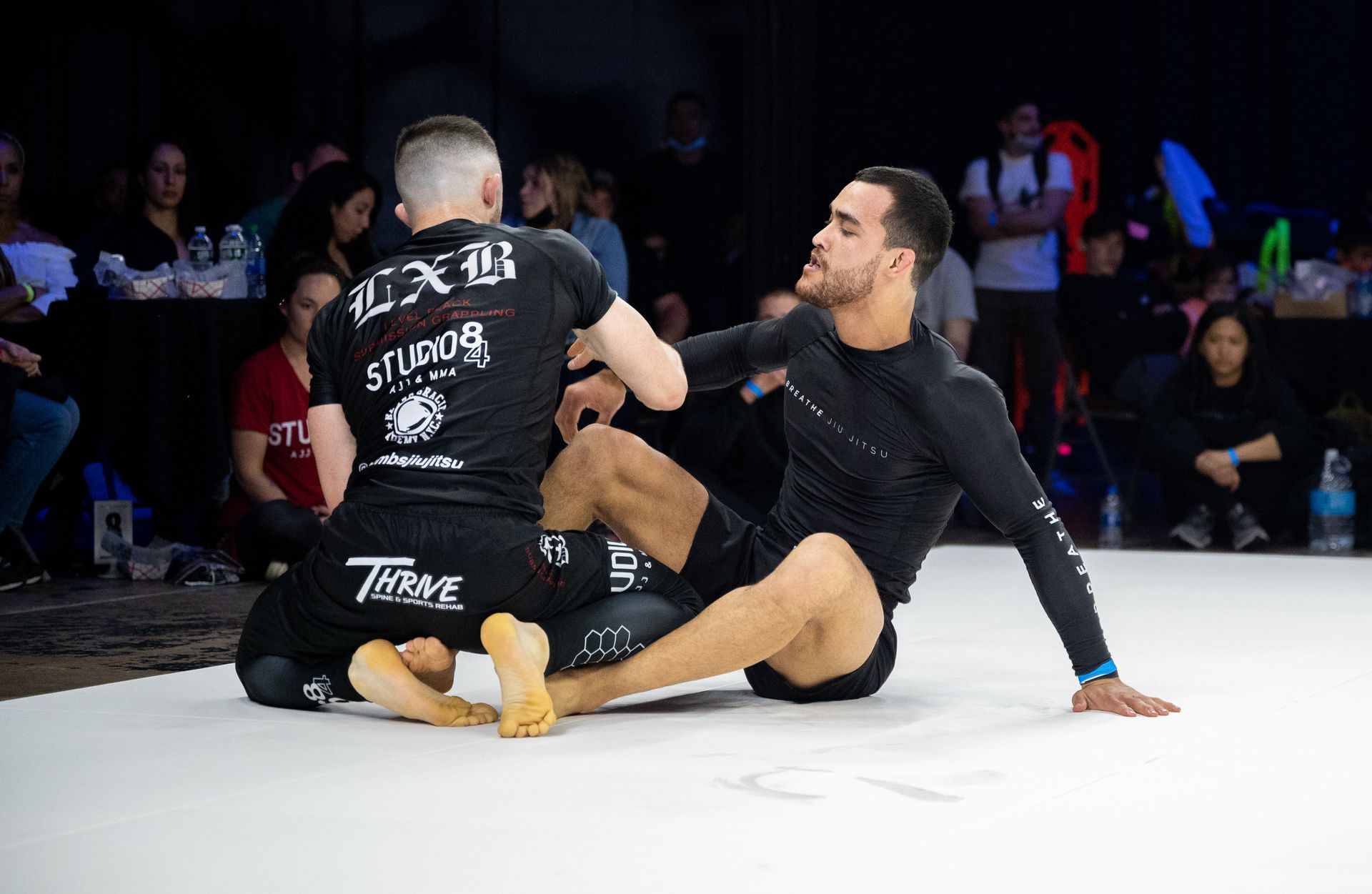
Live sparring is the part that accelerates learning. We keep it structured and supervised, so you can pressure-test techniques without turning training into chaos. That is how you learn what works when your heart rate jumps and your timing gets tested, which is exactly what self-defense feels like.
The core skills that translate to the street
Position first, then submissions
People often hear about chokes and joint locks and assume Jiu Jitsu is mostly about “tapping someone out.” The truth is that position is the backbone of the art. If you can control position, you can often de-escalate, create space, and leave.
We spend a lot of time on positional control because it is transferable. Top control, side control, mount, and back control are not just sport terms; they are ways to manage someone’s movement and reduce the risk of getting hit or thrown around. In a self-defense context, control buys you time and choices.
Escapes and stand-ups are a priority
Fast self-defense gains come from learning how to get out of trouble. Our curriculum emphasizes escapes from common worst-case positions like being pinned, held down, or stuck underneath someone heavier. We also drill how to stand up safely from the ground, because the safest “win” in many situations is simply getting up and leaving.
This is where beginners often feel a surprising shift: you stop feeling helpless when someone is on top of you. It is not magic, but it is real progress you can measure week to week.
Chokes are effective, but we teach responsibility
Chokes work because they do not require size advantages the way striking power often does. In combat sports data, the rear-naked choke is the most common choke finish in high-level MMA, and it is effective quickly when applied correctly. That said, chokes are serious. We teach control, timing, and safety cues, and we expect you to train with care.
In our classes, tapping early is normal. Learning to respect the tap and release instantly is part of building a safer room, and it is also part of becoming trustworthy under pressure.
What your first weeks typically look like
Starting can feel awkward, and that is fine. Everyone begins with a learning curve: new grips, new body angles, and unfamiliar names for positions. We keep the early phase simple, so you are not memorizing a hundred moves before you can do anything.
A common beginner progression looks like this:
1. Week 1: Learn how to move on the ground, frame, and breathe under pressure while drilling basic escapes
2. Week 2: Add top control concepts and simple guard passing, plus more structured resistance
3. Weeks 3 to 4: Start connecting escapes to stand-ups, and build a small “go-to” sequence you can repeat
4. Month 2: Increase live rounds at a pace that matches your comfort, while tightening technique details
If you can train two to three times per week, your body adapts faster and your timing develops sooner. Consistency matters more than intensity here. A steady pace beats going hard once and disappearing for two weeks.
Safety and injury risk: what you should know
One concern we hear is whether Jiu Jitsu is “too rough.” Any contact sport has risk, but the broader research comparing martial arts shows Brazilian Jiu-Jitsu has one of the lowest injury rates per 1,000 athlete exposures when compared with arts like judo, wrestling, MMA, and taekwondo.
We take that seriously in how we structure classes. Our training style is progressive, and we emphasize control over ego. We also coach you on how to select appropriate intensity with partners, because smart training is a skill in itself. If your goal is self-defense, you do not need to train like every day is a championship final.
A few practical habits we reinforce:
• Tap early and release immediately when your partner taps
• Treat rounds as skill practice, not a fight you must “win”
• Communicate about injuries, pace, and experience level
• Prioritize warm-ups that prepare joints and hips for grappling
• Learn how to fall, base, and post safely to avoid awkward landings
Jiu Jitsu for different ages, body types, and goals
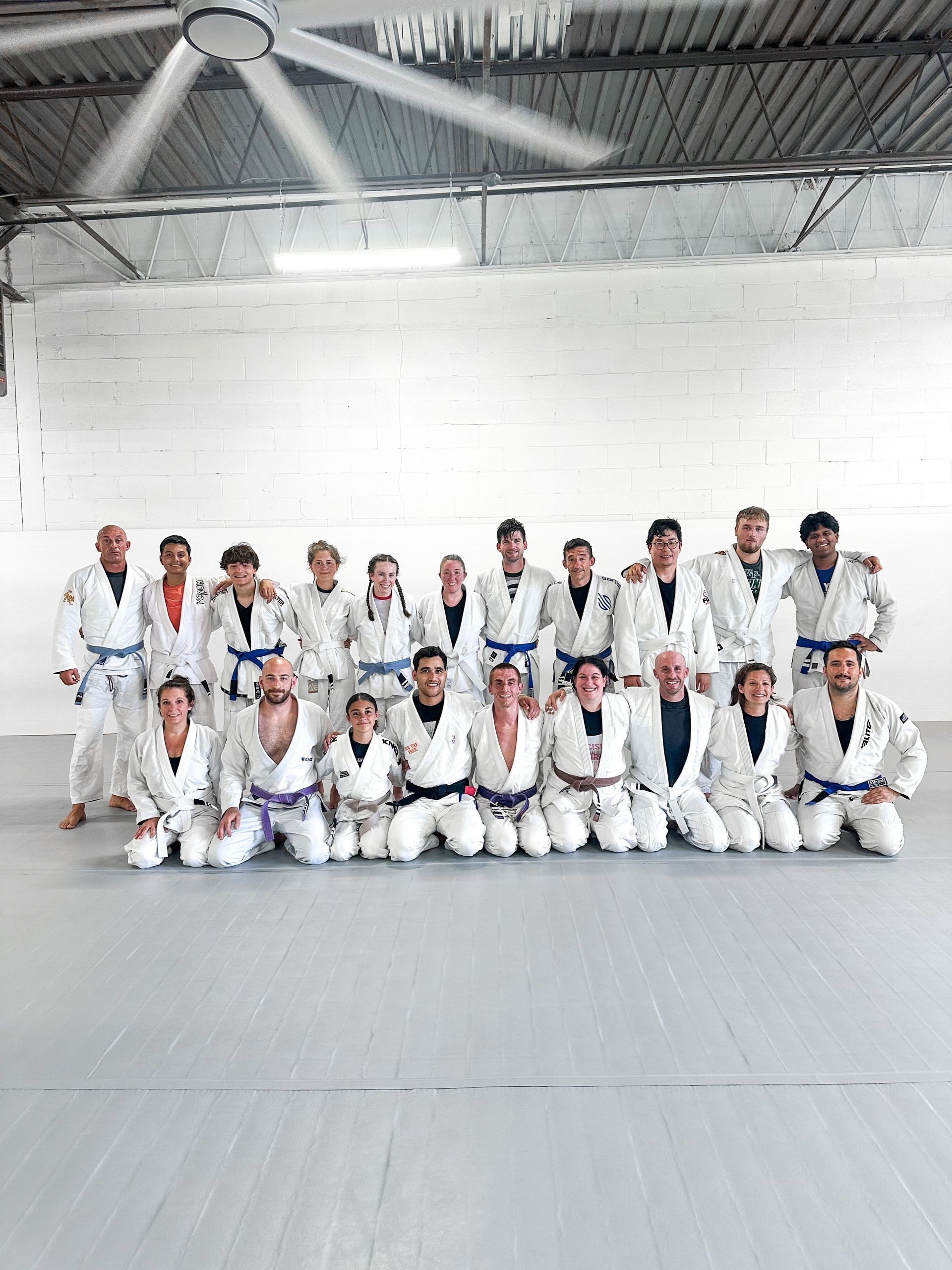
Jiu Jitsu is known for being accessible. Because leverage and technique matter so much, we can coach adults who are brand new to athletics right alongside people who are already in great shape. You do not need to be explosive. You need to be consistent.
For teens, the benefits often show up as posture, confidence, and better decision-making under peer pressure. For adults, many people notice the mental shift first: you get calmer in uncomfortable situations because you practice being uncomfortable on purpose, in a safe setting.
For women, the ability to manage grips, distance, and ground control can be especially empowering, because the art is designed for dealing with size discrepancies. We keep training respectful and skill-focused, and we make sure fundamentals are clear before intensity increases.
Why live training builds confidence faster than theory
There is a difference between knowing what to do and being able to do it when someone resists. We bridge that gap by giving you live, supervised practice. It is not reckless, but it is real. You learn how quickly a grip can change, how balance disappears when your feet are trapped, and how small technical adjustments can flip the situation.
This is also why Jiu Jitsu continues to grow. Globally, millions of people train, and the U.S. martial arts market has surged with MMA and grappling popularity. But popularity is not the point. The point is that training feels practical, measurable, and honest.
Staying with it: beating the white belt dropout trap
A tough reality in this sport is that many beginners quit. Some reports estimate around 70 percent of white belts do not stick with training long-term. We get it. Life gets busy, and the early phase can feel like you are learning a new language while someone is trying to pin you.
We coach around that by making progress visible. We help you focus on small wins: escaping a position you could not escape last week, surviving calmly for a full round, or remembering a simple sequence without freezing. Those milestones keep motivation grounded in reality, not hype.
If your goal is self-defense, you do not need to chase perfection. You need a core toolkit you can execute under stress, and you need to keep it sharp through regular practice.
Jiu Jitsu in Yaphank, NY: training for the situations that actually happen
Jiu Jitsu in Yaphank, NY should feel relevant to how people live here. We think about common environments: uneven ground outside, tight spaces between cars, winter clothing grips, and the fact that many altercations involve grabbing, pushing, and tackling more than clean punches.
That is why our classes emphasize positional control, clinch awareness, and the ability to get up safely. We also talk about decision-making: when to disengage, when to create distance, and when controlling someone without striking is the safer choice.
When you train with that lens, your skills become practical faster, because you are not collecting techniques for their own sake. You are building answers to real problems.
Take the Next Step
If you want Jiu Jitsu that prioritizes real self-defense, we keep our approach focused: fundamentals first, progressive resistance, and a culture where you can train hard without training reckless. That is exactly how we help students in Yaphank build skill quickly and keep it.
At
Breathe Jiu Jitsu, we aim to make your training feel both challenging and doable, with coaching that meets you where you are and keeps you moving forward on the mats.
Put these techniques into practice by joining a Jiu‑Jitsu class at Breathe Jiu‑Jitsu.