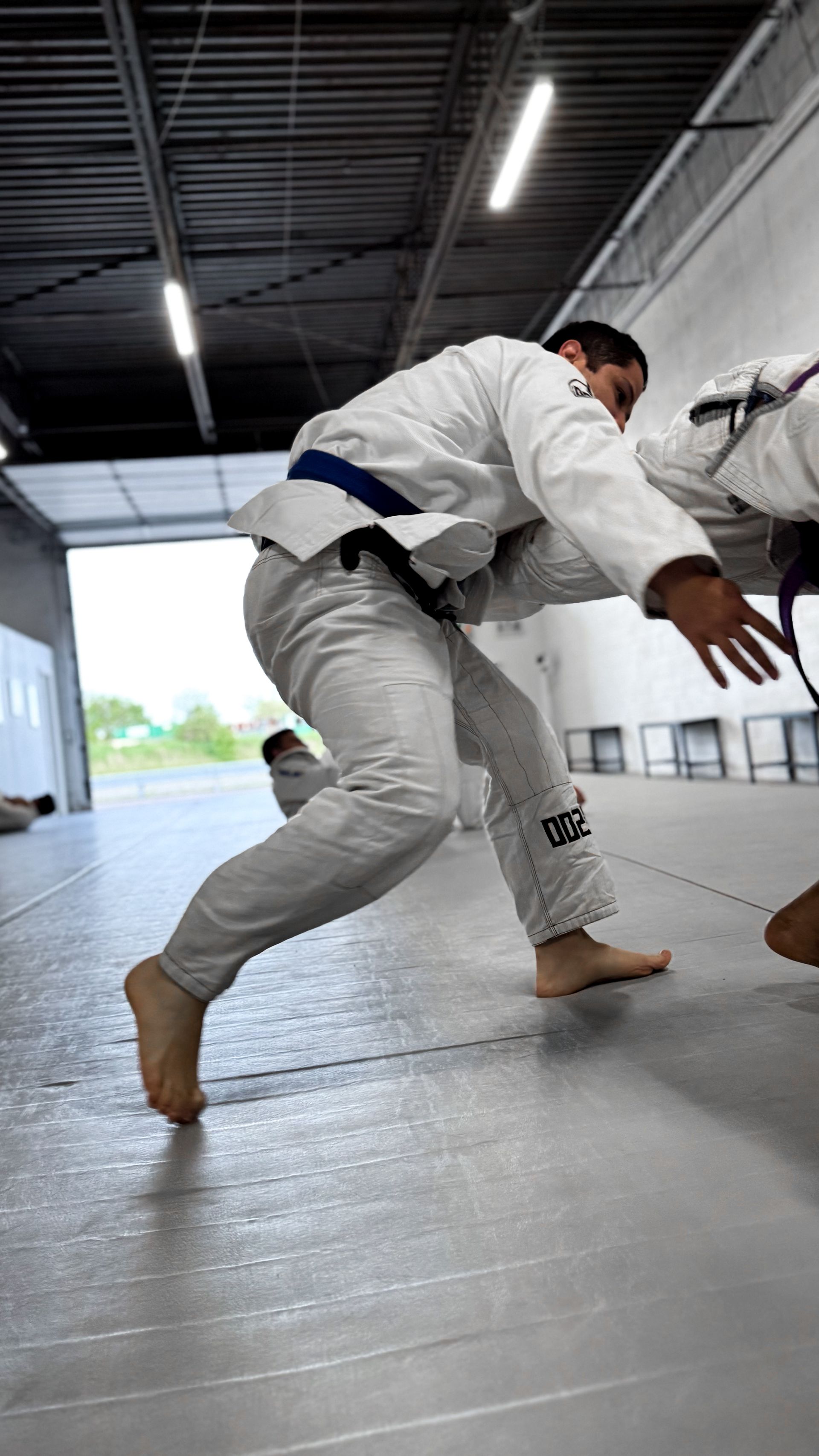
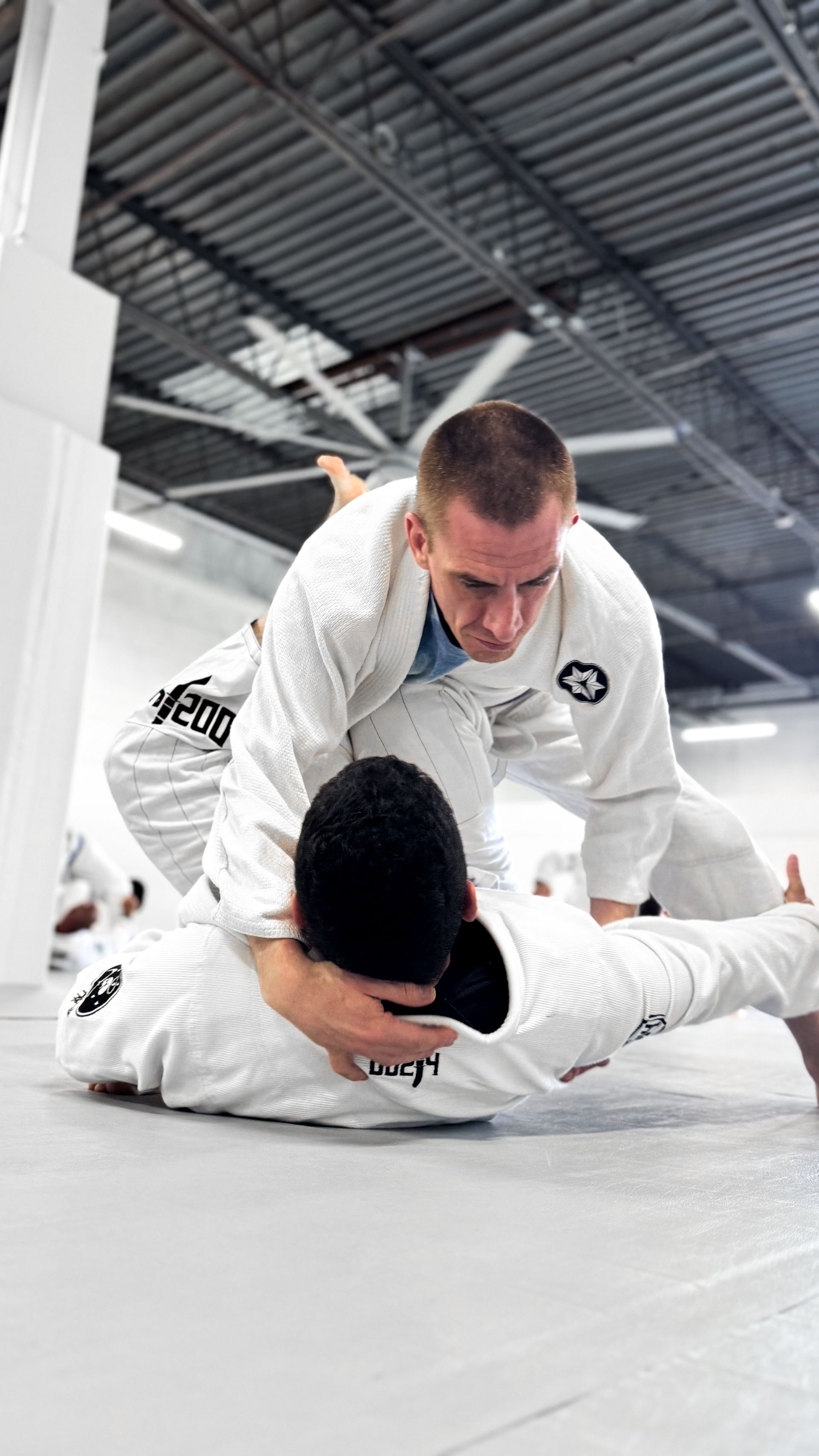
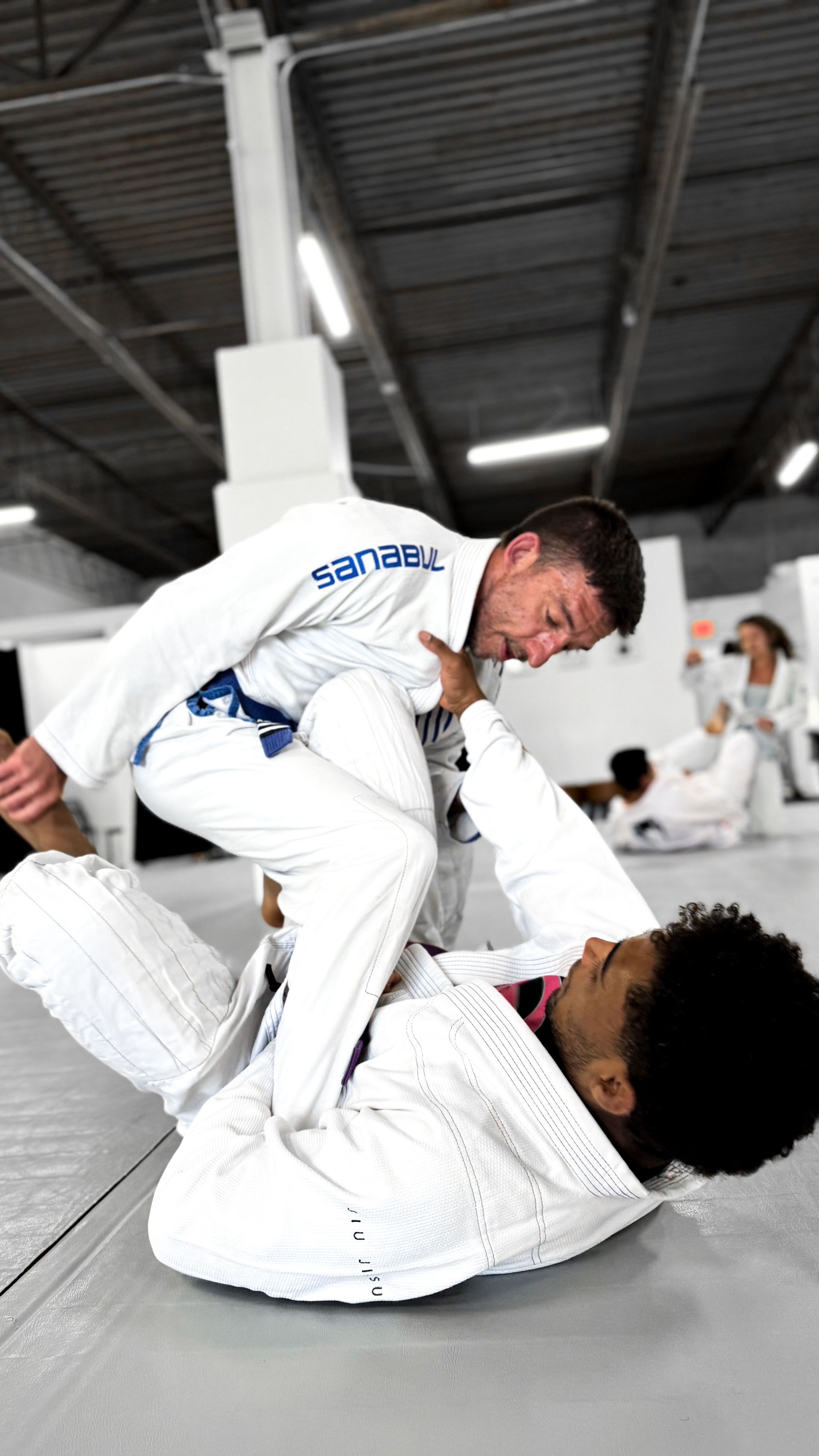
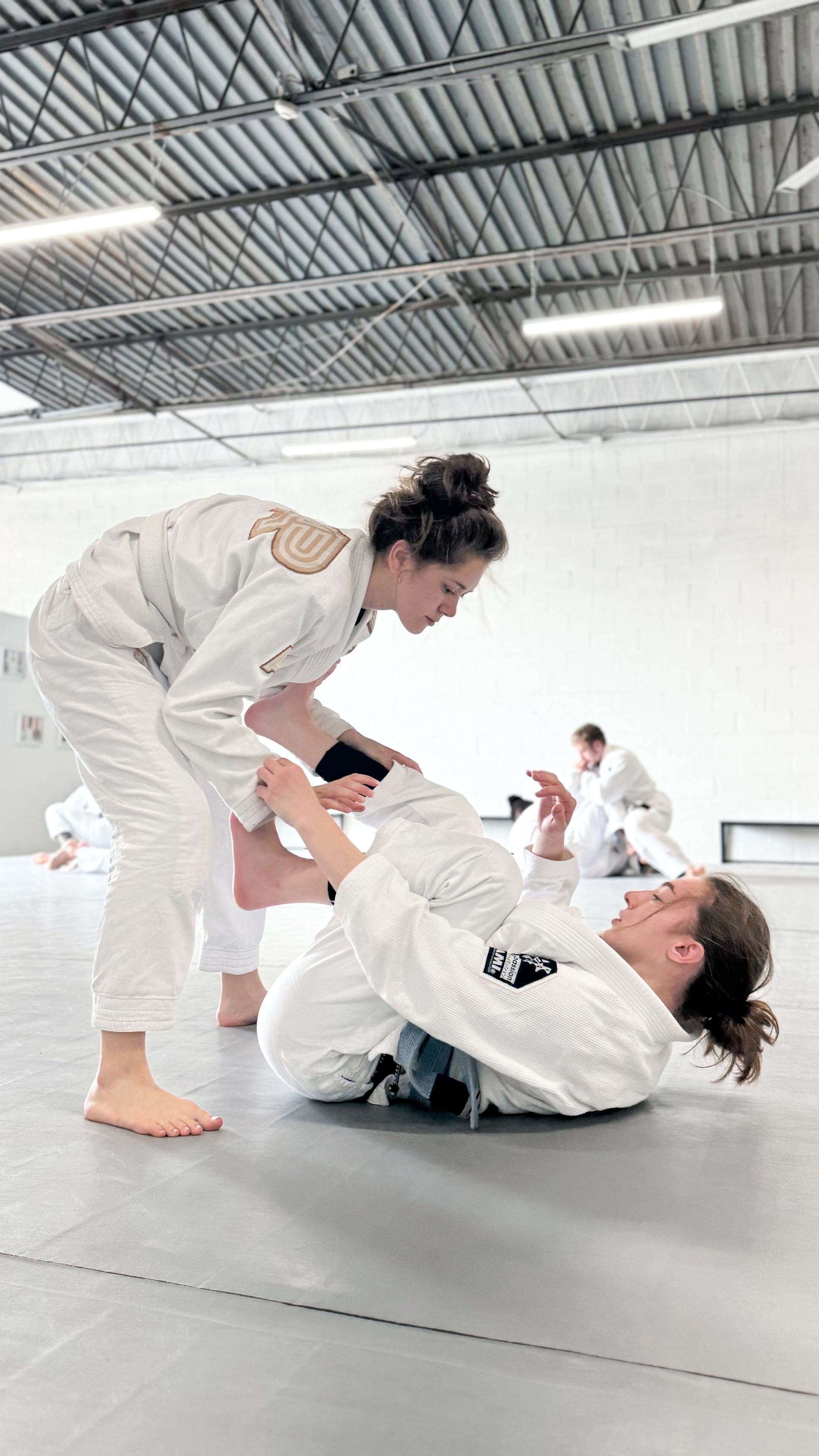
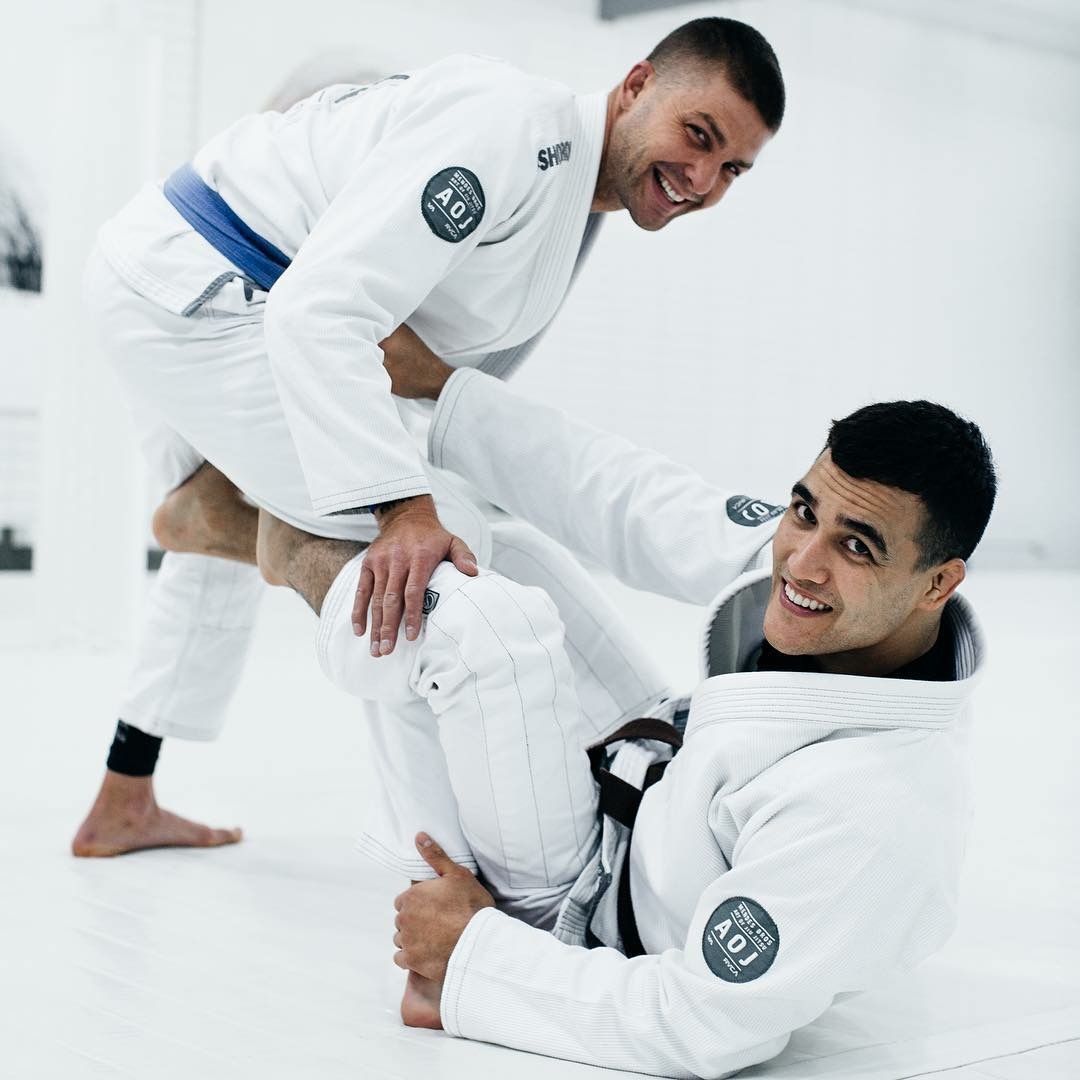
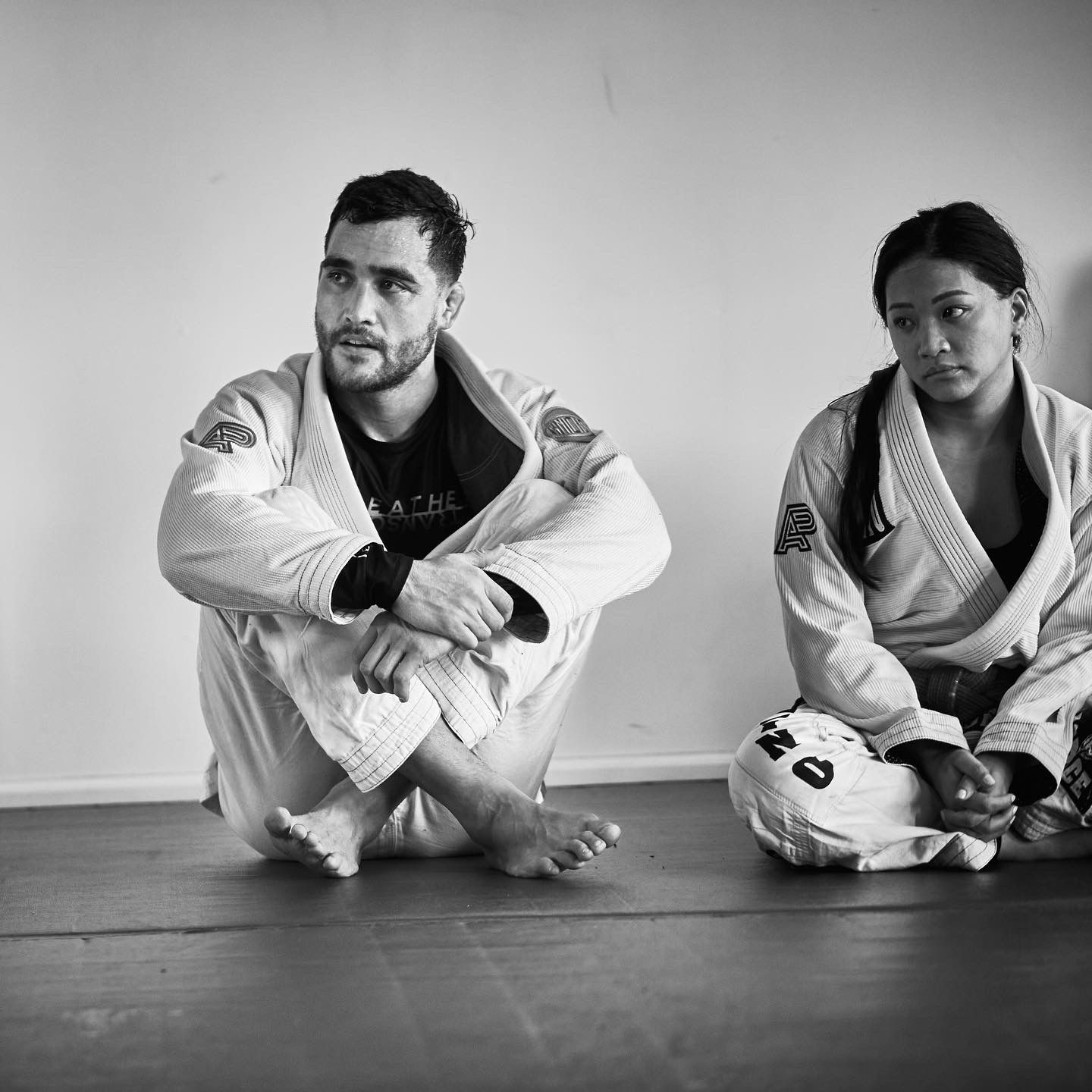
Real stress relief is not always quiet, sometimes it is sweat, problem solving, and one deep breath at a time.
Stress usually shows up as noise, racing thoughts, tight shoulders, a short fuse, or that wired feeling that sticks around long after your day ends. We see it in commuters, parents, students, and especially in people who work high pressure jobs around Yaphank. The surprise is how quickly Jiu Jitsu can cut through that mental static, not by distracting you, but by giving your mind one clear job: deal with what is happening right now.
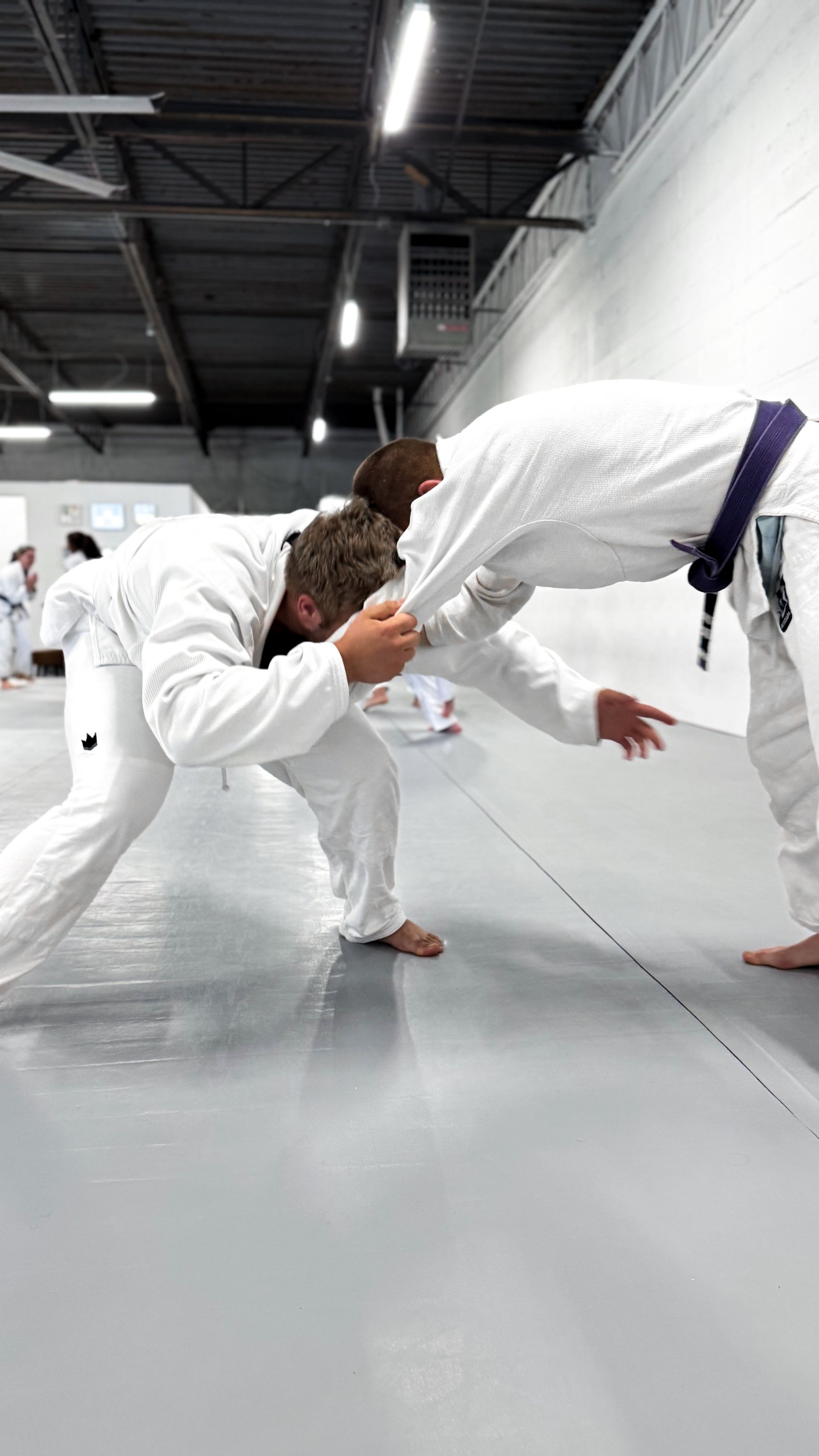
In our classes, you do not have the luxury of replaying emails or worrying about tomorrow. You are learning grips, posture, frames, escapes, and how to stay calm while someone is trying to control you. That is not just training for the mat, it is training for your nervous system. For a lot of our students, the calm they feel after class is the first real exhale they have had all week.
This is also one of the reasons Brazilian Jiu Jitsu in Yaphank, NY has become such a powerful outlet. It is physical, yes, but it is also mindful in a way that surprises people. Over time, the habit of breathing, thinking, and responding carries into daily life.
Why Jiu Jitsu feels like a moving meditation
Mindfulness can sound abstract until you experience it under a little pressure. In Jiu Jitsu, mindfulness is practical. You are forced into present moment awareness because the feedback is immediate. If your attention drifts, you lose position. If you panic, you burn energy. If you breathe and make small decisions, you solve problems.
That is why many people describe the mat as a kind of moving meditation. You are not sitting still trying to calm your mind. You are moving, sweating, and adapting, while learning to keep your breathing steady. That combination is powerful for stress because it trains focus in a realistic setting, not a perfect one.
The skill is not being fearless. The skill is noticing tension, then choosing a better response. We coach that constantly: relax your face, slow the breath, build frames, make space, recover position. It is simple, but it is not easy, which is also why it works.
The science of stress relief: endorphins, cortisol, and better brain chemistry
There is a reason you can walk in feeling heavy and walk out feeling lighter. Exercise helps, but Jiu Jitsu adds a cognitive layer that many workouts do not. Training can trigger endorphin release, which supports mood and stress relief, and it can help regulate stress hormones like cortisol and adrenaline when practice is consistent.
Recent research trends from 2019 through 2024 keep pointing in the same direction: Brazilian Jiu Jitsu is associated with improvements in anxiety, depression, and overall well being. In survey based findings, 87.5% of participants reported reduced anxiety, 96.9% reported improved mood, and 87.6% reported increased confidence. That is not a vague feel good claim, it is a measurable pattern that matches what we see week after week.
Neuroscience focused discussions have also highlighted how training can reinforce resilience by reducing chronic stress response and supporting dopamine related reward and motivation pathways. In normal terms, your brain starts learning that challenge is not automatically danger. Challenge can be manageable. Even useful.
Pressure training without chaos: learning calm when it counts
Life pressure is messy. Someone cuts you off in traffic, your schedule falls apart, a kid gets sick, a supervisor drops a last minute task. You cannot always control what hits you, but you can build your capacity to respond.
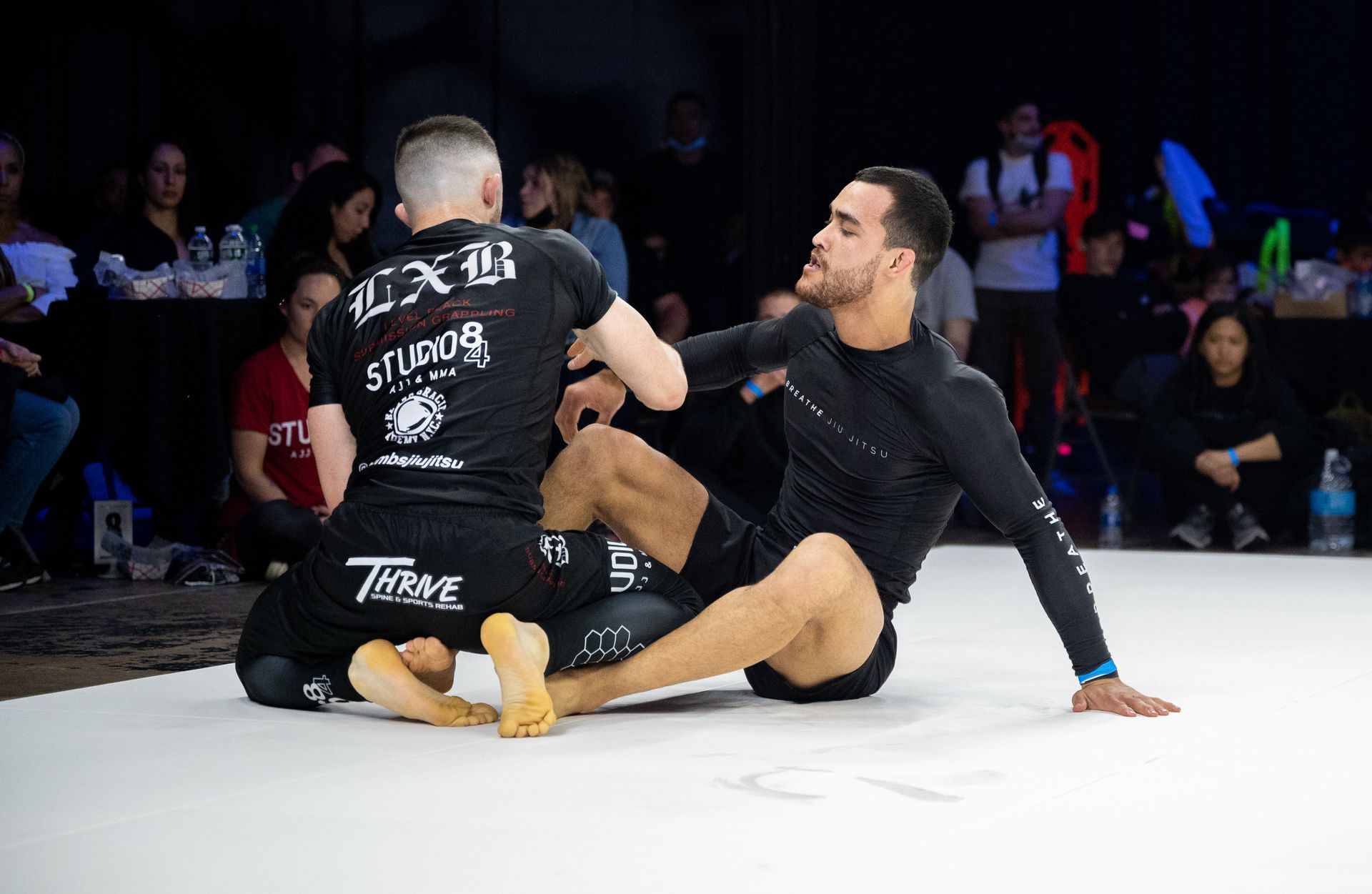
Jiu Jitsu gives you controlled pressure. You spar with partners who are trying to win position, but you are doing it in a structured environment where safety and learning come first. That matters. Your body gets used to elevated heart rate, close contact, and fast decision making without the stakes being real world danger.
Over time, you start noticing a shift: your breath stays steadier, your thoughts get cleaner, and you stop wasting energy on panic. You make a plan. You adapt when it fails. You try again. That mental loop is the real stress reliever, because it replaces helplessness with agency.
Why this matters in Yaphank: commutes, high stress jobs, and family life
Jiu Jitsu in Yaphank is not just a hobby, it is a practical reset for the way many of us live out here. We are close enough to the city to feel the commuter grind, and we have plenty of local careers that demand composure under stress, including first responders and law enforcement. For anyone carrying the weight of those responsibilities, training can become a reliable place to unload stress in a healthy way.
Research has even looked at Brazilian Jiu Jitsu for PTSD symptom management, including a 2019 study showing clinically meaningful reductions alongside improvements in anxiety and depression. We are careful with how we talk about that because training is not a replacement for clinical care, but the evidence is encouraging, and the day to day benefits are real: better sleep, steadier mood, and a clearer head.
For families, the value is different but just as important. A long week can make everyone a little sharp around the edges. Training gives you a shared routine that is active, positive, and surprisingly bonding.
A beginner friendly path: what your first month can look like
Most people who start worry about two things: getting hurt and feeling lost. We take both seriously. Our beginner structure is designed to help you learn fundamentals without being thrown into the deep end, and we build skills in a progressive way so you can feel improvement quickly.
Here is a realistic first month approach we often recommend:
1. Train 2 to 3 times per week so your body and brain can adapt without feeling overwhelmed.
2. Focus on breathing and posture first, because those control panic and energy use.
3. Learn a small set of escapes and positions, then repeat them until they feel familiar.
4. Add light sparring when you are ready, using controlled intensity and clear goals.
5. Track simple wins, like staying calmer, tapping earlier, or recovering guard once.
That last point matters. Jiu Jitsu rewards consistency, not perfection. You do not have to be tough to start, you get tougher by showing up.
The hidden confidence boost: competence beats hype
Confidence from Jiu Jitsu is not a motivational quote. It is evidence. You learn what you can handle because you practice handling it. That is why confidence scores in survey results are so high, with 87.6% reporting improvement. You can feel it when you realize you can survive a bad position, slow your breathing, and work your way out.
That confidence shows up outside the gym in quiet ways. You might speak up more clearly at work. You might feel less reactive in arguments. You might handle criticism without spiraling. We also see people take better care of their bodies because training makes the consequences of poor sleep and constant stress obvious.
And yes, the physical side helps too. Regular training supports cardiovascular health, strength, endurance, and coordination. Feeling physically capable changes how stress lands.
Community as an antidote to stress
Stress thrives in isolation. One reason Jiu Jitsu works so well is that it is social in a real, grounded way. You are partnered up, learning together, and you cannot fake your way through rounds. That creates a weirdly honest kind of connection.
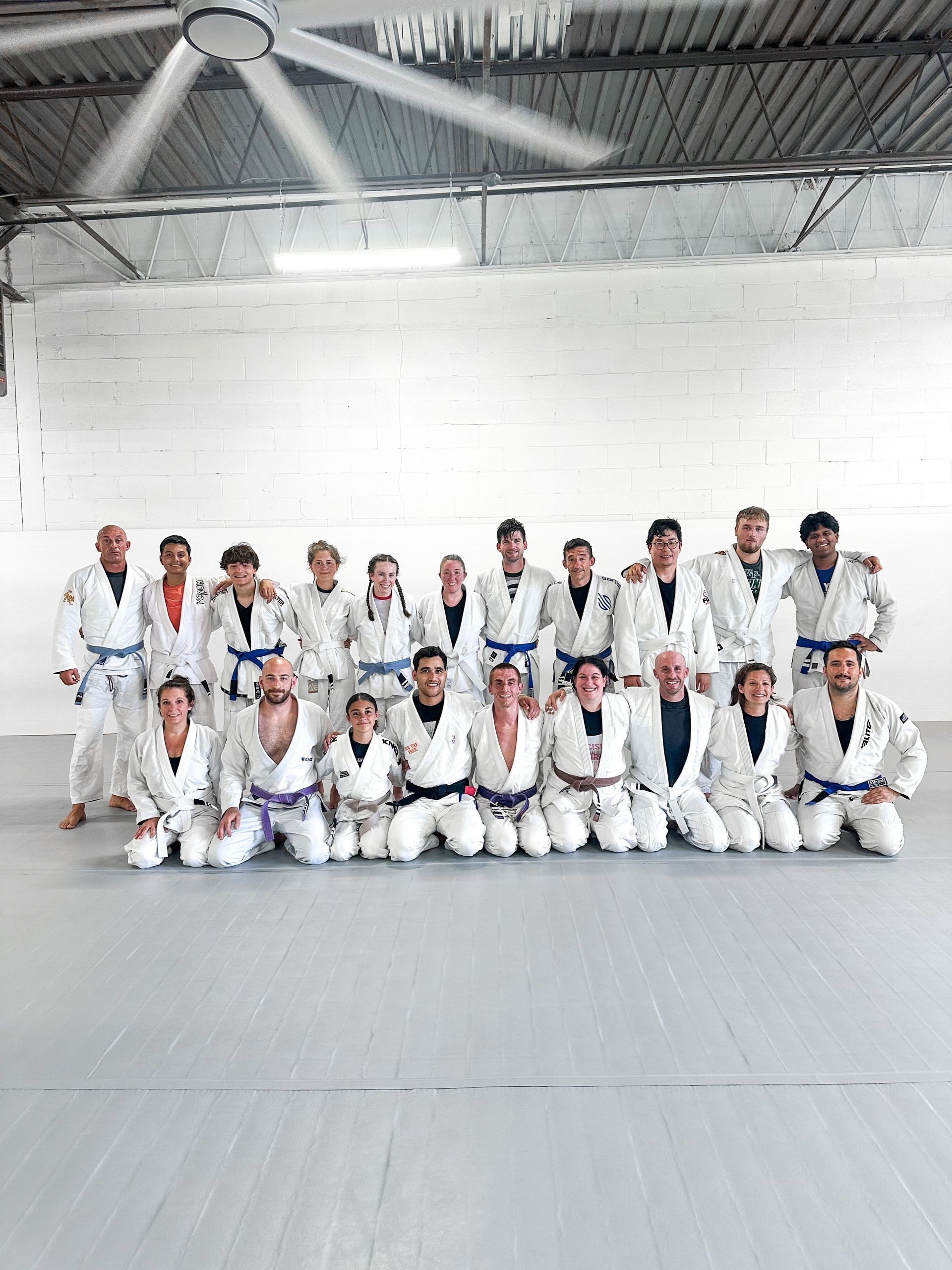
In community centered survey results, 100% of respondents reported a sense of community through training. That is a big number, and it makes sense. You show up, you work, you struggle a bit, you laugh at the awkward moments, and you improve alongside people who understand the process.
For families, the community effect can be even stronger. Trends show that 87% of families with children training together report benefits like bonding, discipline, and shared stress relief. When a parent and child are both learning, it changes the tone at home. The conversations become about effort, patience, and progress, not just outcomes.
What you actually practice on the mat that reduces stress
It helps to name the mechanisms clearly, because stress relief is not magic. It is skills plus physiology. In our program, the stress reduction comes from several training elements working together:
• Breath control under pressure, which teaches your body that you can stay safe while challenged
• Problem solving with real feedback, so your brain focuses on solutions instead of rumination
• Gradual exposure to discomfort, which builds resilience without overwhelming you
• Structured physical exertion, supporting endorphins and better sleep quality
• Positive social contact, which reduces isolation and reinforces consistency
• Measurable progress, which boosts mood and confidence through competence
None of these are complicated on their own. The power is in repetition. You practice calm every week until calm becomes more available to you.
How to use Jiu Jitsu as a weekly reset, not another obligation
The goal is not to add one more stressful thing to your calendar. The goal is to use training to make the rest of your life feel more manageable. A few practical tips help:
Pick a schedule you can keep, even if it is just two classes a week. Consistency beats intensity. Eat something light beforehand so you have energy but do not feel sluggish. Show up a little early so you are not rushing in with your shoulders already up around your ears. And after class, give yourself five minutes before jumping back into your phone. That short buffer helps your nervous system keep the benefits longer.
If your stress is high, you can also set a simple intention: breathe first, then move. That one rule changes everything.
Ready to Train at Breathe Jiu Jitsu in Yaphank
The best part about using Brazilian Jiu Jitsu as a stress reliever is that it is not just a temporary escape. You are building a skill set that follows you into traffic, work, parenting, and hard conversations. You learn how to feel pressure without being ruled by it, and that is real mindfulness, the kind you can use on a random Tuesday.
At
Breathe Jiu Jitsu, we have built our classes in Yaphank around safe progression, supportive training partners, and an approach that respects both your goals and your starting point. If you want a healthier relationship with stress, we would love to help you build it one round at a time.
Challenge yourself physically and mentally by joining a Jiu‑Jitsu class at Breathe Jiu‑Jitsu.