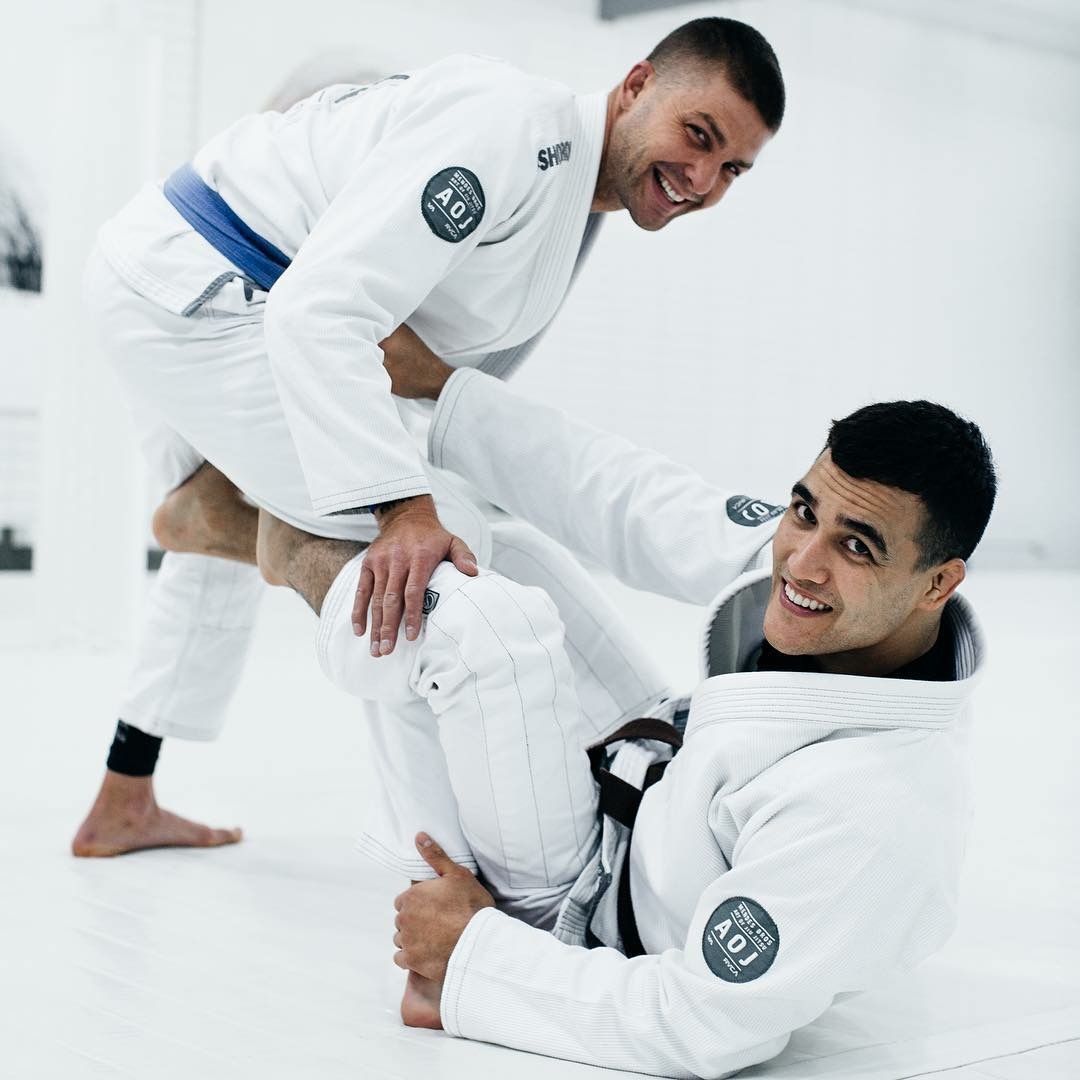
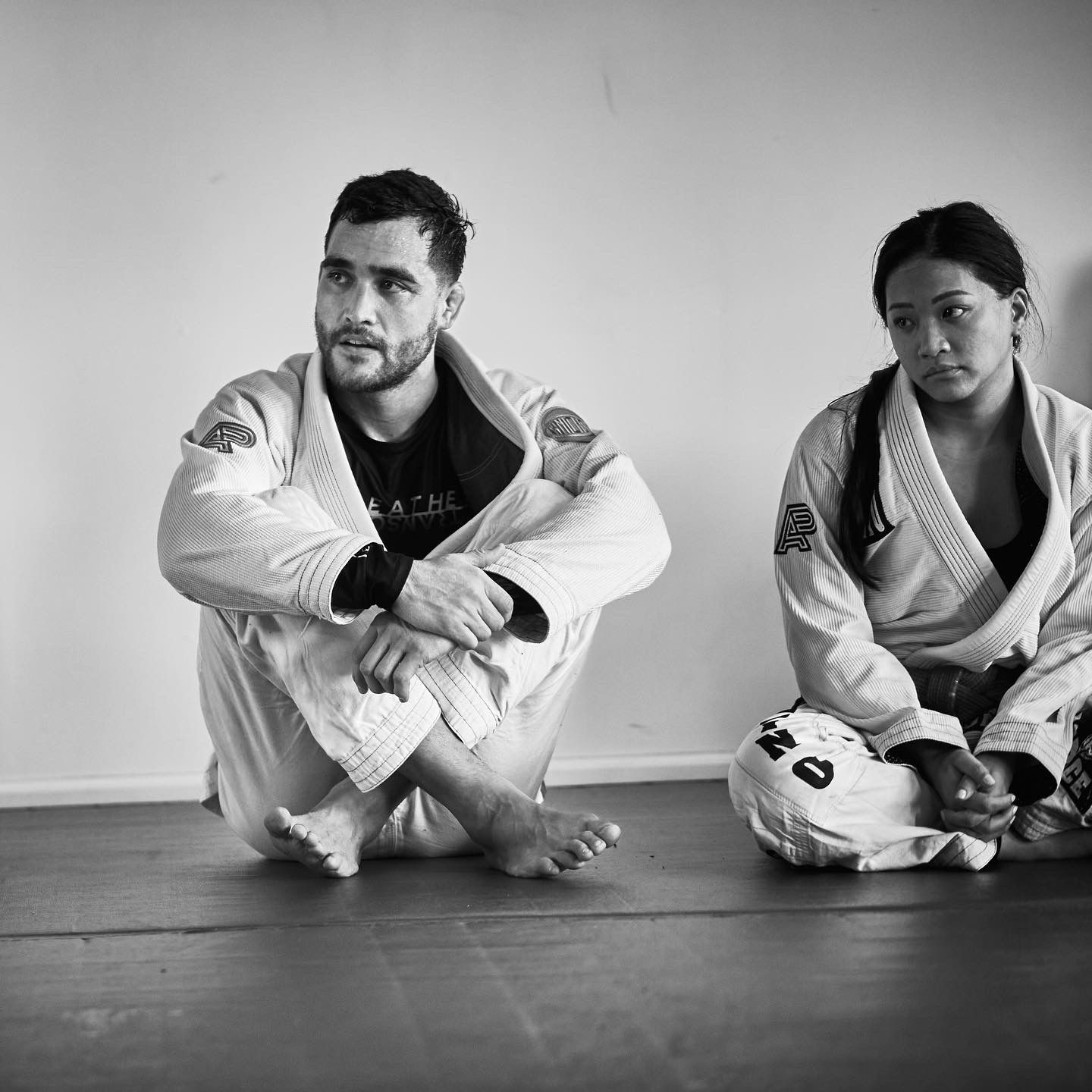
Jiu Jitsu turns stress into something you can feel, name, and steadily defuse through breath, movement, and control.
Stress is sneaky in a place like Yaphank. It shows up in the shoulders during traffic, in a clenched jaw during long workdays, and in that low buzz of worry you can’t always explain. We also know that telling yourself to relax rarely works. Your nervous system needs a physical off-ramp.
That is where Jiu Jitsu fits so well. You are learning a real skill, but you are also learning how to stay present under pressure, how to breathe when your brain wants to panic, and how to make calm decisions with your body doing hard work.
The best part is that stress relief in training is not vague. It is measurable in how your breathing changes, how quickly you recover after a tough round, and how much lighter you feel walking out the door.
Why Jiu Jitsu works so well for stress relief
Stress is both mental and physical. Your thoughts race, but your body also reacts with tension, shallow breathing, and a fight-or-flight spike. In training, we create a safe, structured version of pressure so you can practice responding differently.
Research backs up what we see on the mats. Recent studies report that 87.5 percent of adult participants experience reduced anxiety and 96.9 percent report improved mood with Brazilian Jiu Jitsu. Improvements show up in confidence, mental flexibility, and overall emotional wellbeing, and some longitudinal work even highlights meaningful reductions in PTSD-related markers within a few months of consistent practice.
Here is the practical takeaway: training gives you repetition. Your body learns that pressure does not automatically mean danger. That is a powerful lesson to carry into work, parenting, and everyday life.
The nervous system angle: breath, cortisol, and calm
One reason Brazilian Jiu Jitsu in Yaphank feels like a reset is that it naturally forces better breathing habits. When you are moving, framing, and defending position, you learn fast that holding your breath is a bad strategy. You gas out, you tense up, and you get stuck.
So we coach the opposite: steady inhales, longer exhales, and relaxed shoulders even when you are working. That longer exhale matters because it signals your body to downshift. Many practitioners describe the experience as moving meditation, and modern research trends point to changes like reduced cortisol and improved neurotransmitter balance that supports mood and resilience.
What “pressure training” teaches your mind in everyday life
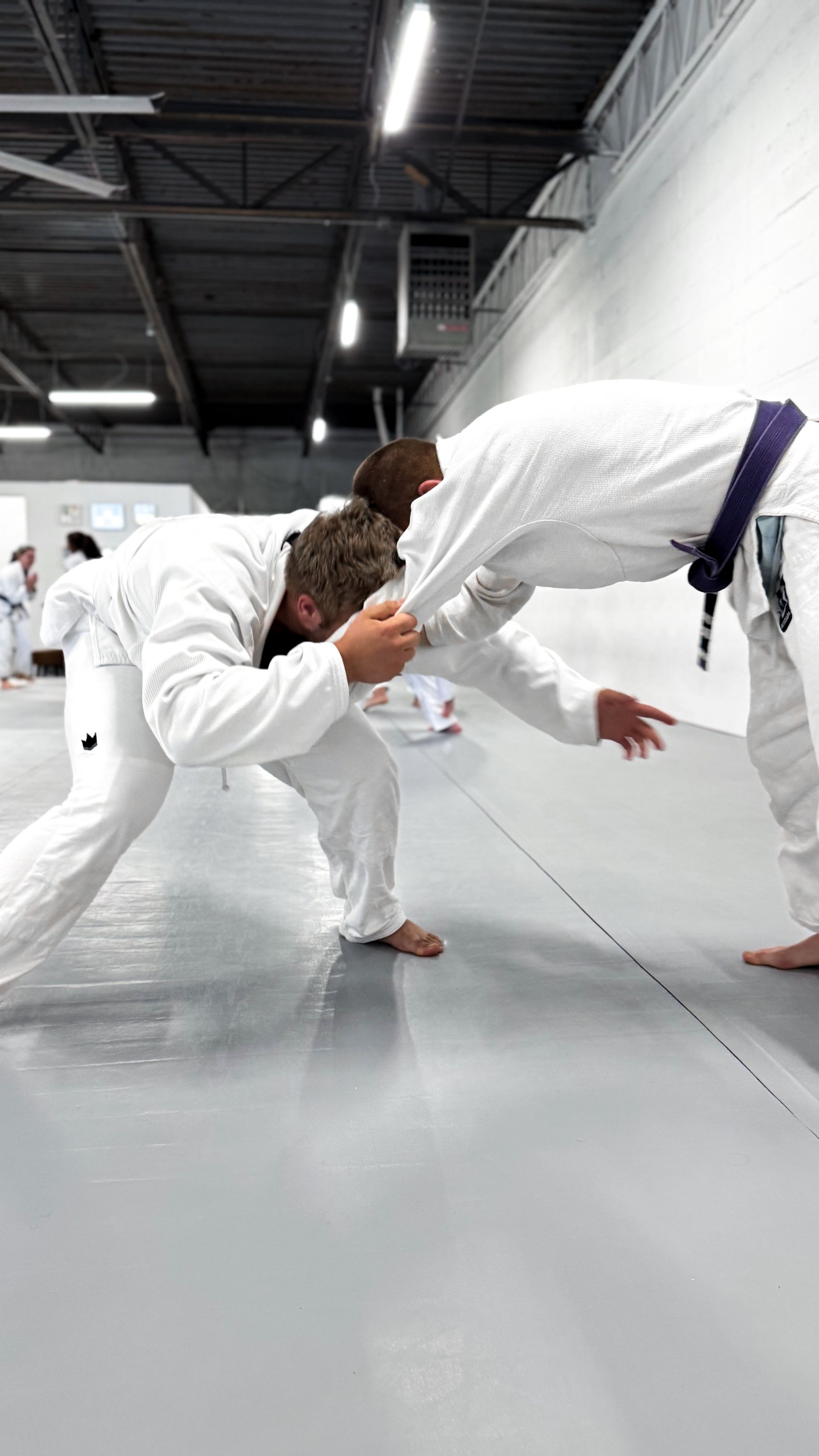
When you first start, even light sparring can feel intense. That is normal. Your brain is trying to interpret new sensations: someone’s weight, your limited space, the urgency to escape. Over time, you learn to slow down internally. You start asking better questions in the moment: Where is the space? What is the next small improvement? Can I breathe and frame first?
That mindset translates directly to real stress. Instead of reacting with a mental spiral, you get used to taking the next best step.
We see these shifts in students all the time:
• More patience in frustrating situations because you are used to working step-by-step
• Better emotional control because you practice staying composed under resistance
• Improved self-trust because you can handle discomfort without shutting down
• A quieter mind at night because your body got honest, healthy exertion
If you are looking for Jiu Jitsu in Yaphank, NY specifically for stress relief, this is the real value. You are not just burning calories. You are practicing calm.
Simple Jiu Jitsu-based techniques you can use to calm down fast
You do not have to wait for class to start building the stress-relief skill. A few drills can help you “rehearse calm” at home in a way that still feels connected to the art.
Technique 1: The guard breathing drill
This is a simple reset that pairs posture with breathing.
1. Lie on your back like you are playing guard, knees bent and feet on the floor
2. Place one hand on your belly and one on your chest
3. Inhale for 4 counts, expanding the belly first
4. Exhale for 6 counts, letting the ribs soften and shoulders drop
5. Repeat for 3 to 5 minutes
This is not fancy, but it works. That longer exhale helps reduce the stress response quickly. It also builds the habit you need during live rounds: breathe first, then move.
Technique 2: Shrimping flow for mobility and mindfulness
Shrimping, also called the hip escape, looks basic until you do it consistently. It wakes up the hips and core, but it also becomes rhythmic in a way that quiets the mind.
Set a timer for 5 minutes. Move side to side with control. If your brain starts racing, come back to two cues: push off the floor, exhale as your hips slide. You are basically teaching your body that effort does not require panic.
Technique 3: Positional “one-minute pressure” with a partner
If you have a trusted partner at home, keep it simple and safe.
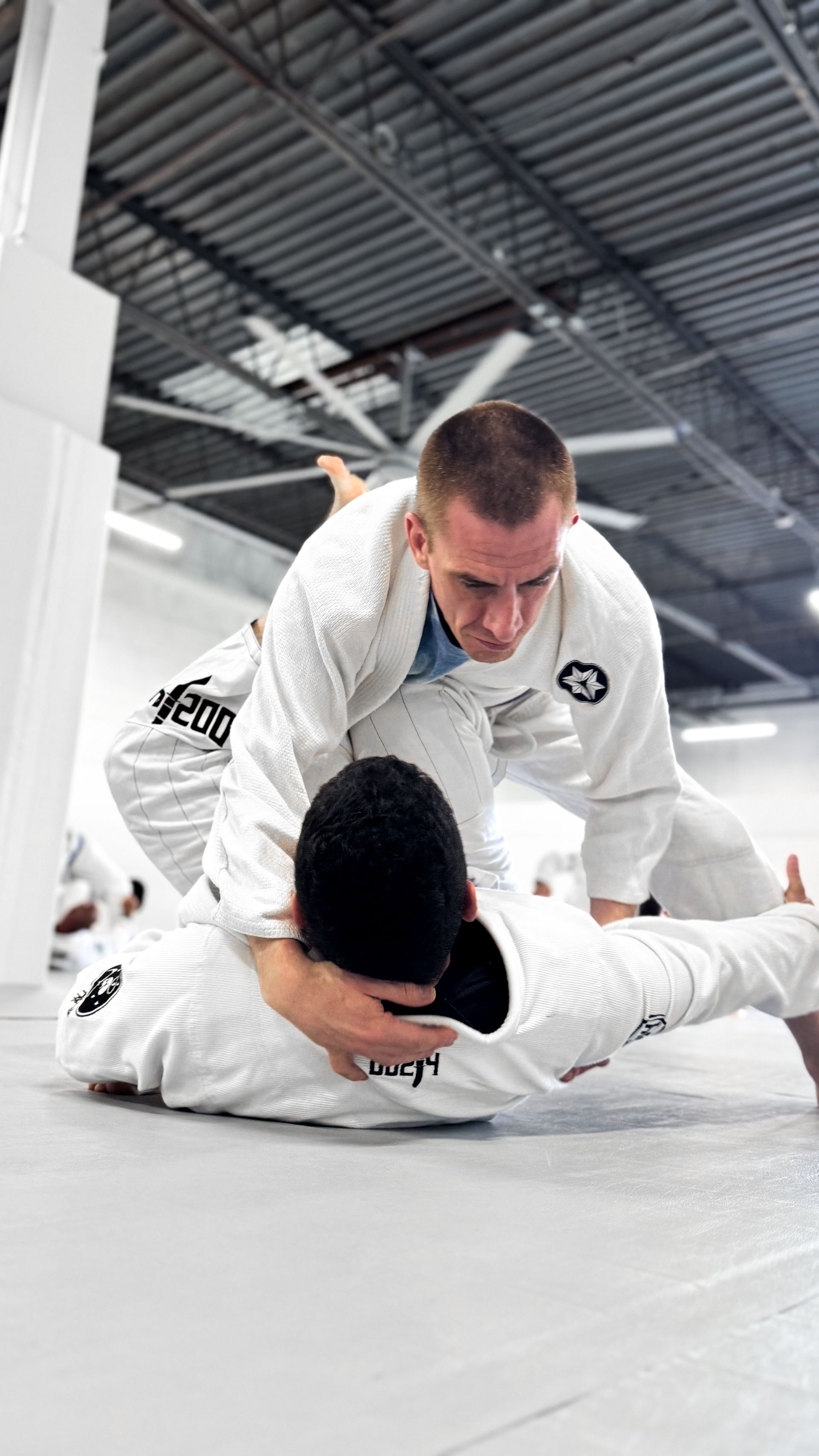
• Start with your partner holding mount lightly for 60 seconds
• Your job is not to explode, it is to breathe, frame, and make space
• Switch roles and repeat for 2 to 3 rounds
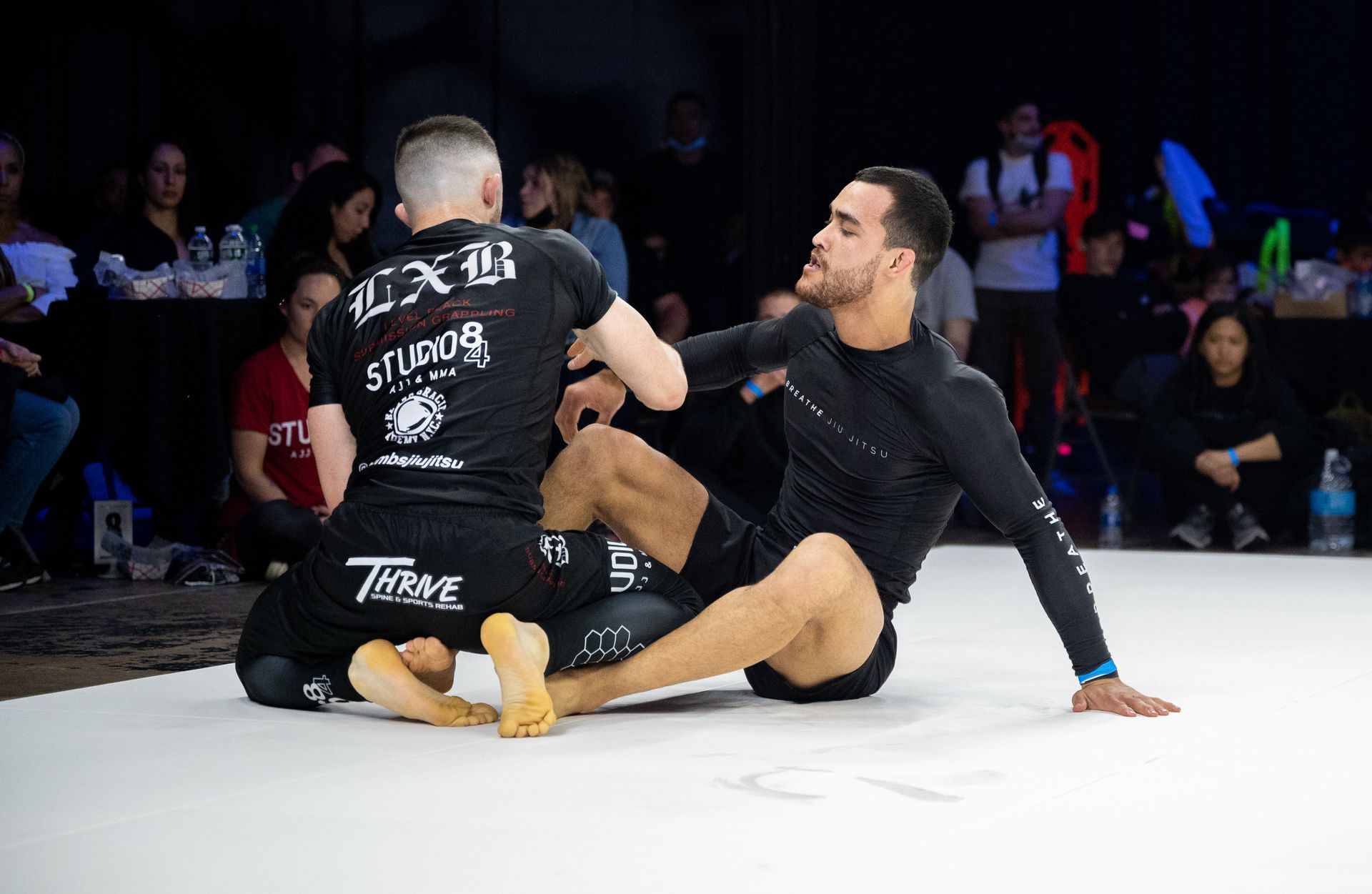
This drill mimics a stress spike, but in a controlled setting. You practice staying calm when you feel pinned, which is exactly the sensation that triggers anxiety for many people. Over time, that sensation becomes workable instead of overwhelming.
What you can expect in our classes when stress relief is the goal
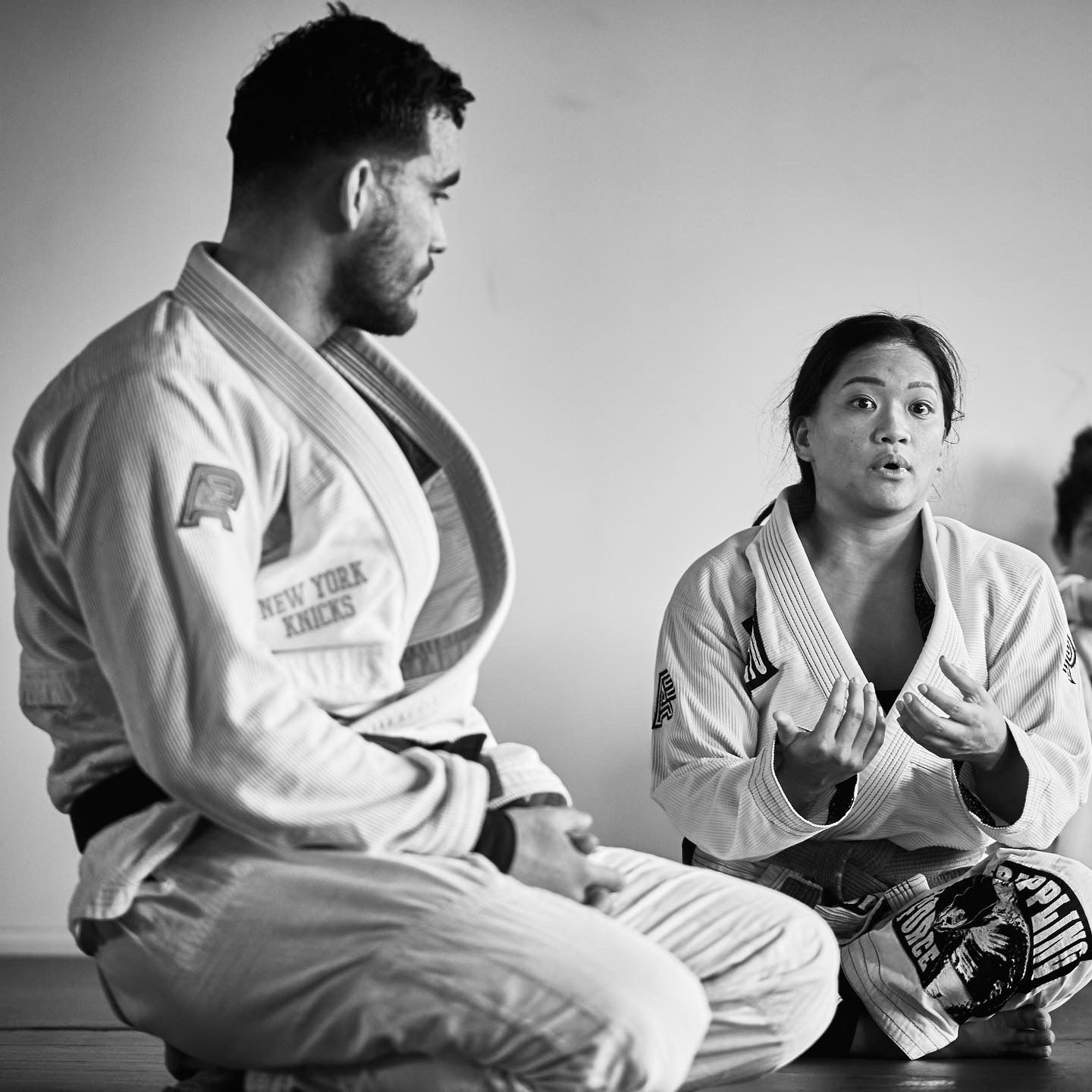
Some students come in focused on self-defense, others want fitness, and plenty just want their head to feel quieter. We coach all of it, but we keep the environment structured and supportive so you can learn without feeling thrown into chaos.
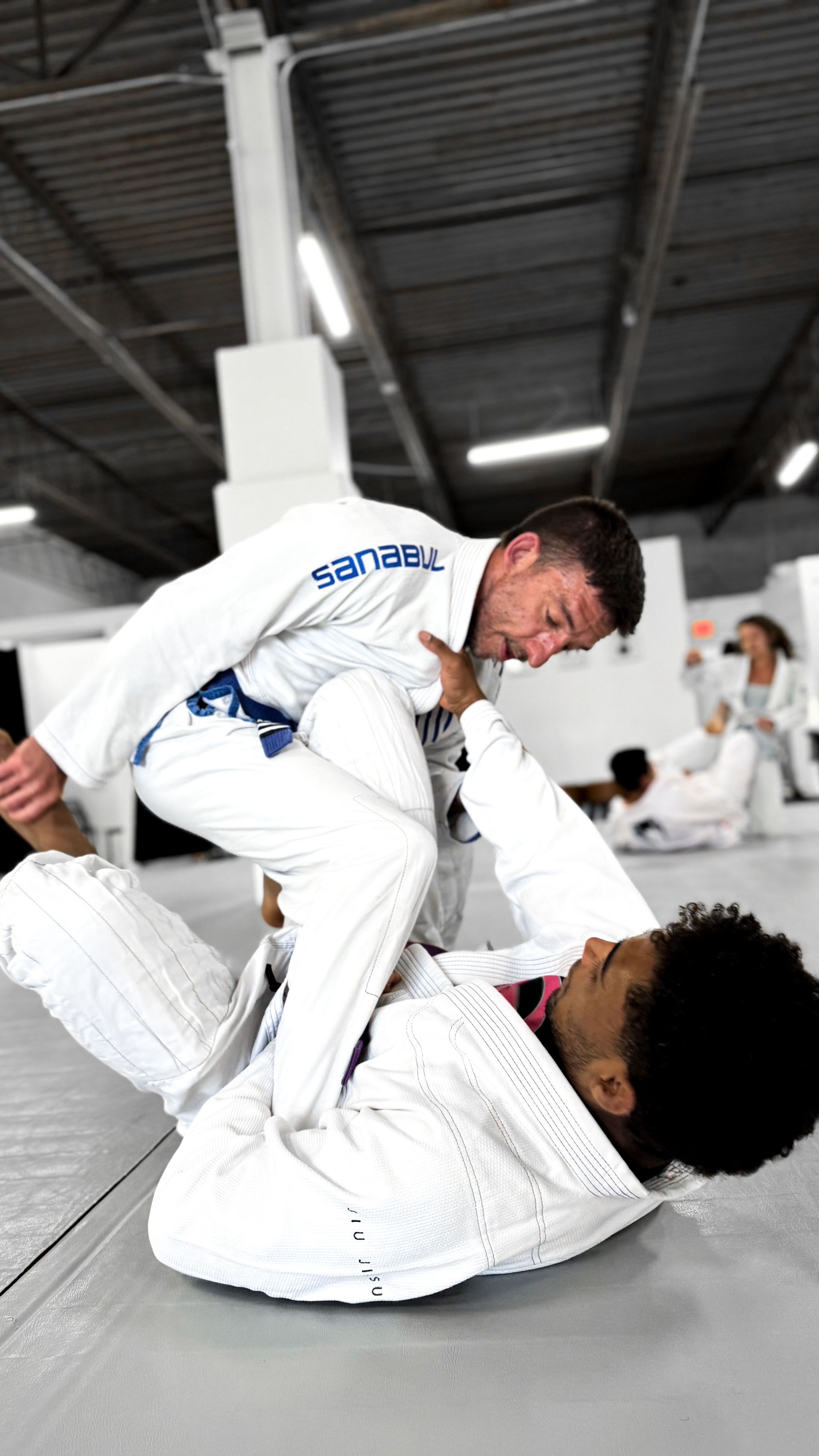
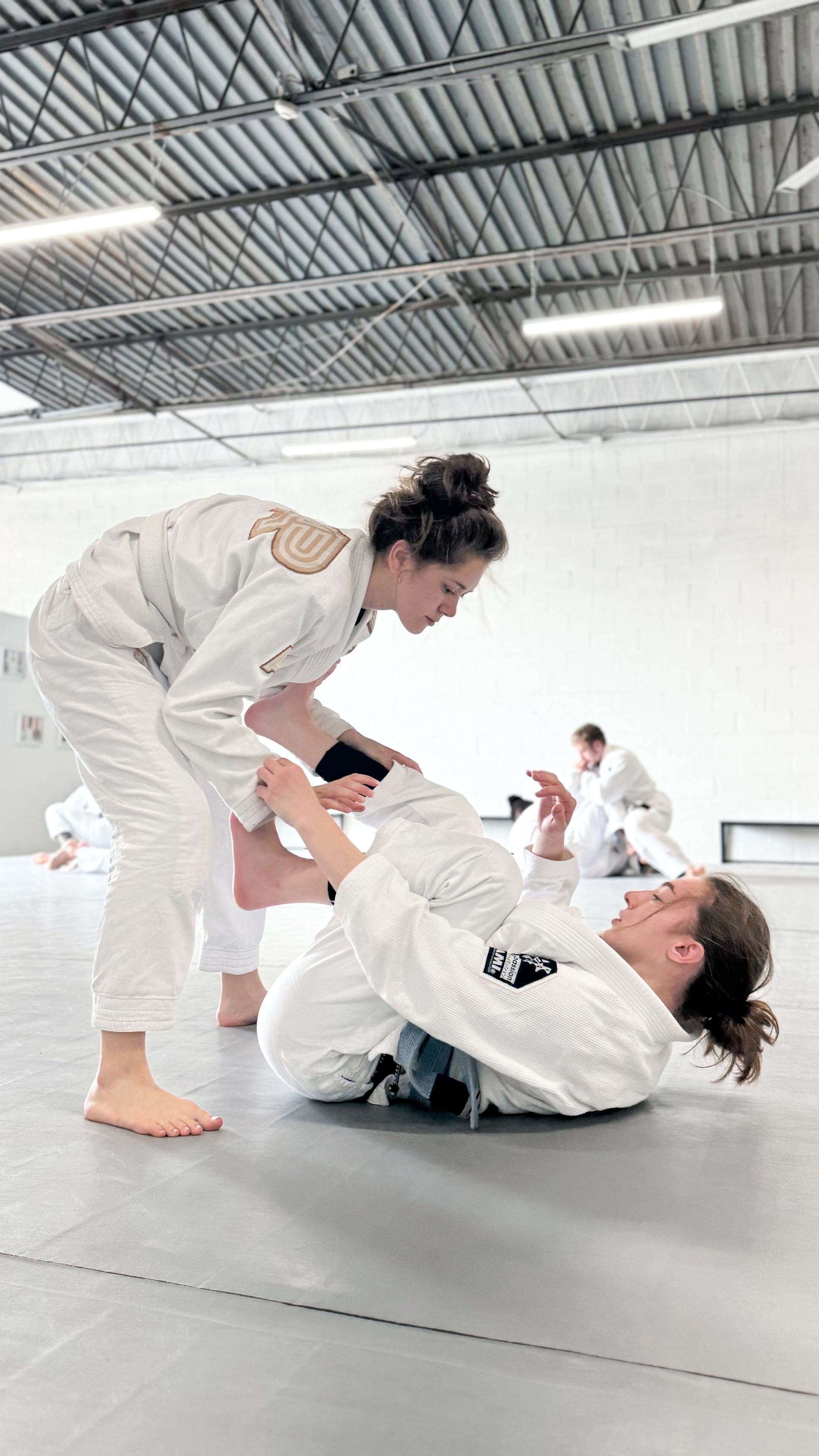
A typical class includes technical instruction, drilling, and controlled sparring based on experience level. We emphasize fundamentals because fundamentals create confidence, and confidence is a stress reducer all by itself.
If you are new, we also help you understand the pace. You do not have to win rounds. You do not have to prove anything. You just have to show up, breathe, and build skill.
A few habits that make training feel calmer (and safer)
These are small choices that make a big difference, especially early on:
• Tap early and tap often, because learning is the point
• Choose smooth effort over maximum effort, especially in your first months
• Exhale during movement, not after, to avoid breath-holding
• Ask questions after rounds, because clarity reduces anxiety
• Keep a simple training journal so you notice progress you might otherwise miss
Those habits also protect your body. And when your body feels safer, your nervous system settles faster.
How quickly do the mental benefits show up?
Most people notice a mood shift pretty quickly, sometimes after the first few sessions. You sleep a little deeper, your appetite normalizes, and your mind feels less cluttered. Deeper changes, like anxiety reduction and more consistent confidence, tend to build over weeks and months.
Studies suggest meaningful improvements can appear within 2.5 to 5 months for markers tied to PTSD and mood, especially with consistent practice. In real life, we usually recommend a simple routine you can actually keep:
Train 2 to 3 times per week for 45 to 60 minutes. If you can add a 5-minute breathing drill on non-training days, even better. Consistency beats intensity here, which is refreshing, honestly.
Why Brazilian Jiu Jitsu in Yaphank fits family life and busy schedules
Yaphank is full of hardworking families and high-pressure jobs. That means stress is not just individual, it is shared. One of the strongest trends in recent years is that families are choosing Brazilian Jiu Jitsu in Yaphank as a wellness practice, not just a sport. Participation is growing among parents and kids because the skills transfer into daily life: emotional regulation, resilience, and better communication under stress.
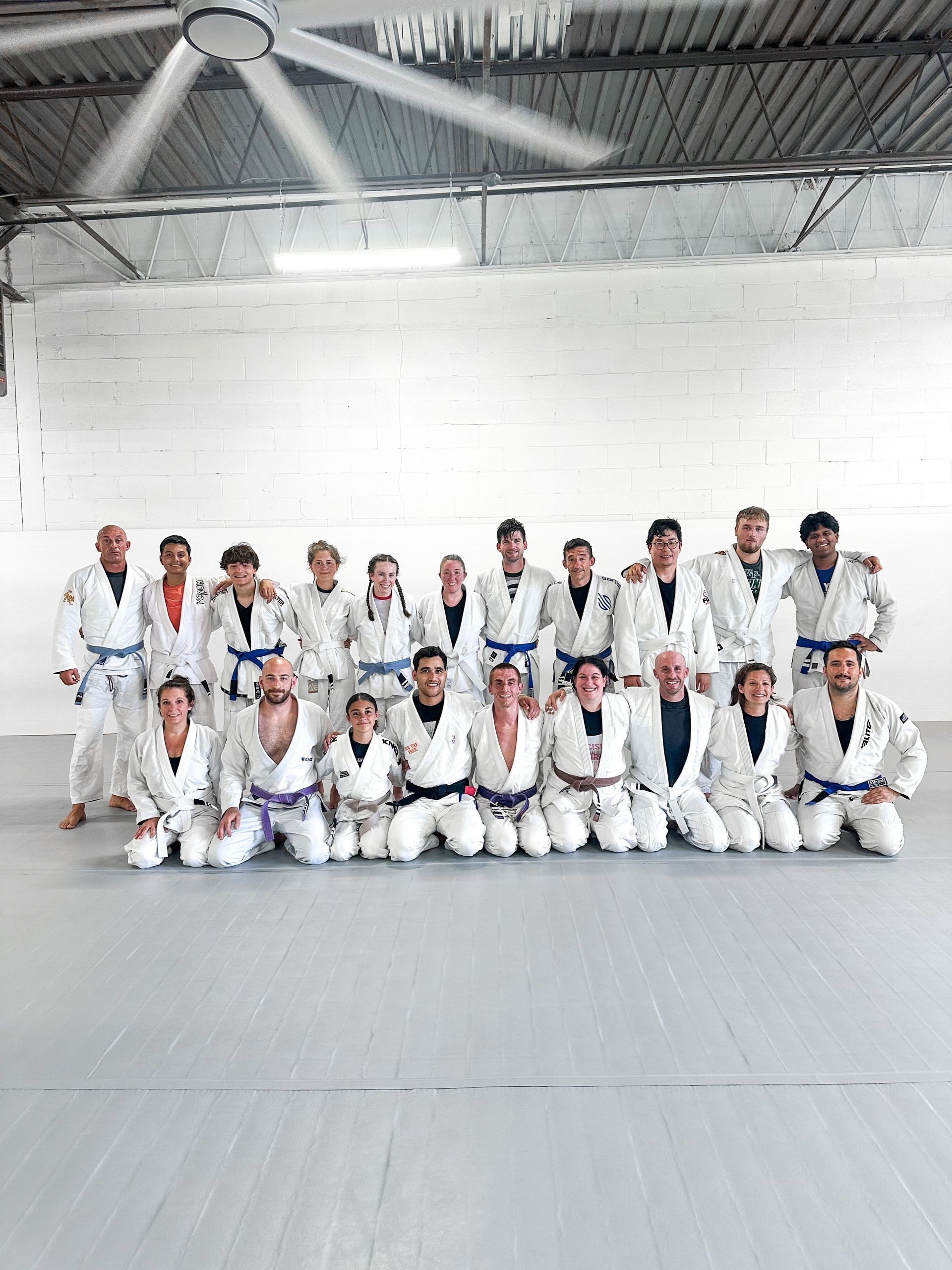
Training also creates a community routine. You have a place to go, people who know your name, and a weekly rhythm that is not another screen. That matters more than most people realize until they feel it.
Jiu Jitsu for first responders, veterans, and high-stress professionals
If your job trains you to be on alert, your nervous system can get stuck in that mode even when you are off duty. We see this often with first responders and veterans, and research has increasingly highlighted Brazilian Jiu Jitsu as a helpful support for PTSD symptoms and stress resilience.
The key is that training gives you controlled exposure to pressure with a clear path to problem-solving. You learn to stay functional while adrenaline is present, then you learn to downshift afterward. That downshift is a skill, and it is trainable.
Take the Next Step
If you want stress relief that feels practical, repeatable, and honestly kind of grounding, Jiu Jitsu gives you a path you can stick with. You build a stronger body, but you also build a calmer response to pressure, and that is the part that tends to surprise people in the best way.
At
Breathe Jiu Jitsu, we keep our classes focused on clean fundamentals, safe training habits, and a culture where you can work hard without feeling overwhelmed. If you are looking for Jiu Jitsu in Yaphank, NY that supports your mental wellbeing as much as your fitness, we would love to help you get started.
Take your first step into Jiu‑Jitsu training at Breathe Jiu‑Jitsu and learn with confidence.